
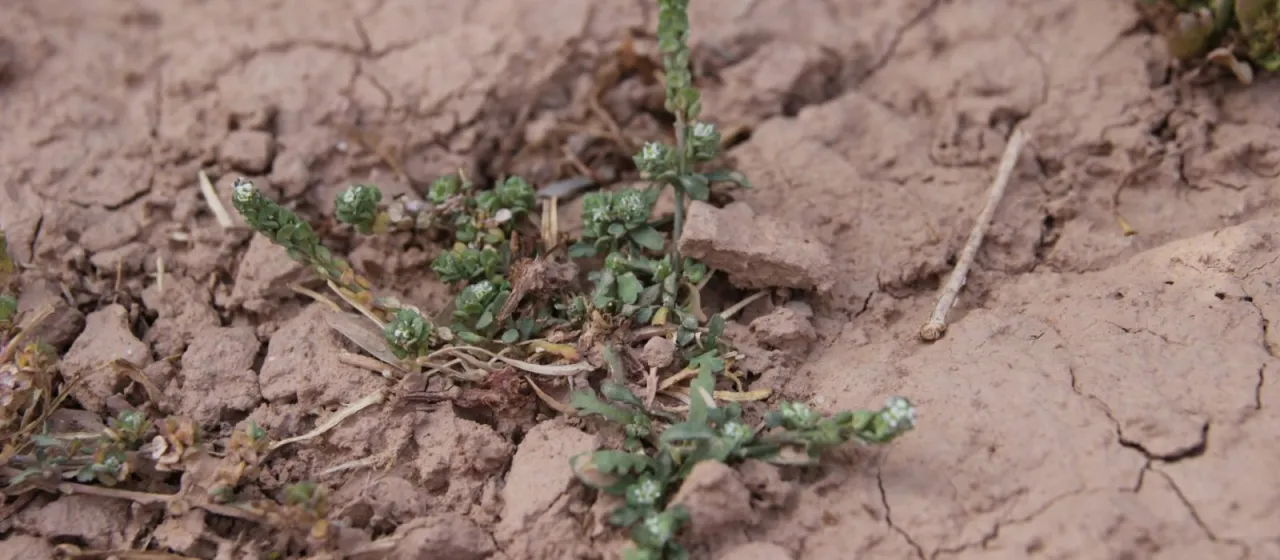
Description
Lepidium lepidioides is a herbaceous annual or biennial plant belonging to the Brassicaceae family. Within the agricultural sector, this species is recognized for its physiological resilience and potential as a niche crop suitable for arid and semi-arid regions where conventional crops often struggle to maintain stable yields.
The plant originates from the arid regions of Central Asia and the Middle East, where it has adapted to survive in harsh climatic conditions. Its natural distribution is largely concentrated in steppe and semi-desert zones, which underscores its inherent drought tolerance and ability to thrive in poor soil conditions that are often unsuitable for mainstream agriculture.
From a botanical perspective, the plant is characterized by a branched stem and typically dissected leaves. The flowers are small, organized into racemes, and result in the production of silicles (small siliques). The seeds are the primary focus of economic interest due to their oil content, which is a key trait that researchers and growers analyze for potential industrial and food-grade applications.
The cultivation of this species requires minimal specialized infrastructure. It favors well-drained, sandy, or light loam soils and demonstrates significant salt tolerance. Agronomic practices typically involve planting in early spring to leverage seasonal soil moisture. Proper row spacing is essential to minimize intraspecific competition and ensure optimal light interception for the canopy development.
The main areas of commercial application include:
- Extraction of oils for technical or industrial use.
- Utilization of forage material for livestock grazing in early developmental stages.
- Soil stabilization and erosion control in arid areas.
- Potential use in sustainable crop rotation systems to improve soil structure.
The primary phytosanitary concerns involve fungal infections such as downy mildew, which can become problematic in overly humid environments. Regarding pests, crucifer flea beetles pose a significant threat to seedling establishment. Effective management strategies involve monitoring pest populations and applying appropriate agricultural control measures, such as mechanical weeding and the strategic use of insecticides when thresholds are exceeded.