
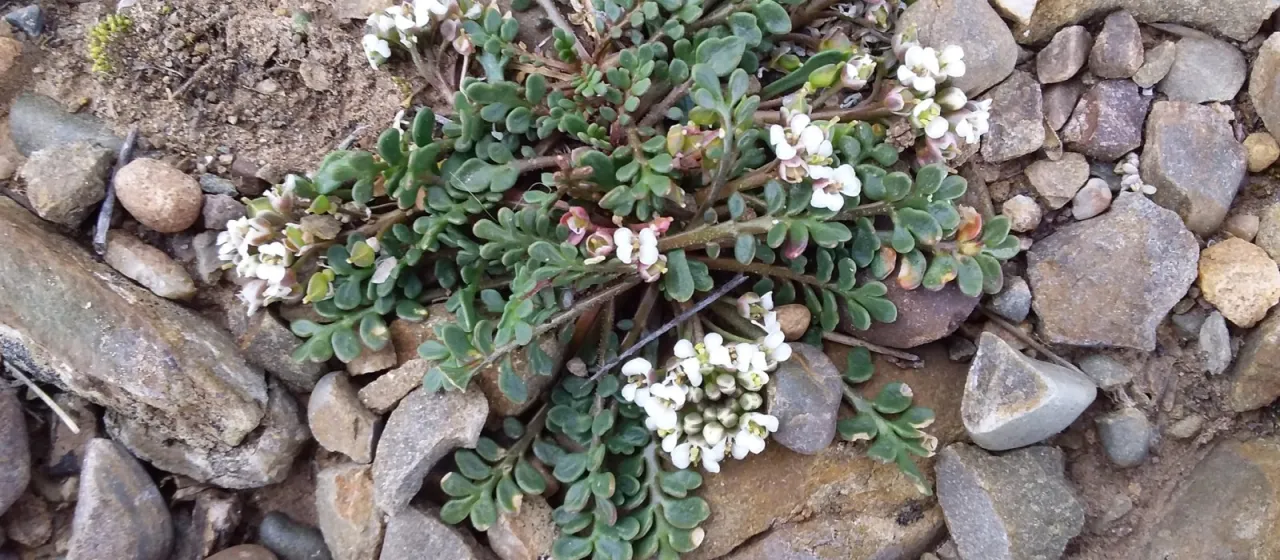
Description
Lepidium meyenii, widely known as maca, is a herbaceous biennial plant belonging to the Brassicaceae family. Originating from the high-altitude regions of the Andes in Peru and Bolivia, this crop is uniquely adapted to survive at elevations between 3,500 and 4,500 meters, where harsh winds, intense UV radiation, and freezing temperatures are common.
The plant features a basal rosette of leaves and a fleshy hypocotyl that fuses with the taproot to form a radish-shaped structure. The color of these storage roots varies significantly depending on the genotype, ranging from yellow and white to red, purple, and black. During the reproductive phase, the plant produces small white flowers and subsequent seeds, completing its cycle in about seven to nine months.
Cultivation of Lepidium meyenii requires specific environmental conditions that mimic its native habitat. It thrives in well-drained, sandy, or rocky volcanic soils that are poor in nutrients but rich in minerals. The plant is sensitive to excessive moisture; therefore, soil aeration is crucial. It is highly resistant to frost but demands significant solar radiation for optimal development of the storage root.
Agronomic management involves selecting well-drained plots and sowing seeds directly into the soil. Traditional farming practices prioritize minimal tillage to preserve soil structure. Harvesting is performed manually once the leaves begin to yellow. After harvesting, the roots undergo a drying process, typically under natural sunlight, to reduce moisture content and preserve the active compounds for long-term storage.
The primary economic value of Lepidium meyenii lies in its nutraceutical properties. The roots are processed into powders and extracts used in supplements for their adaptogenic potential and nutritional density. Common pathological issues include fungal root rots induced by excess moisture, while pest pressure is generally managed by crop rotation and the selection of healthy planting material in their native ecosystem.