
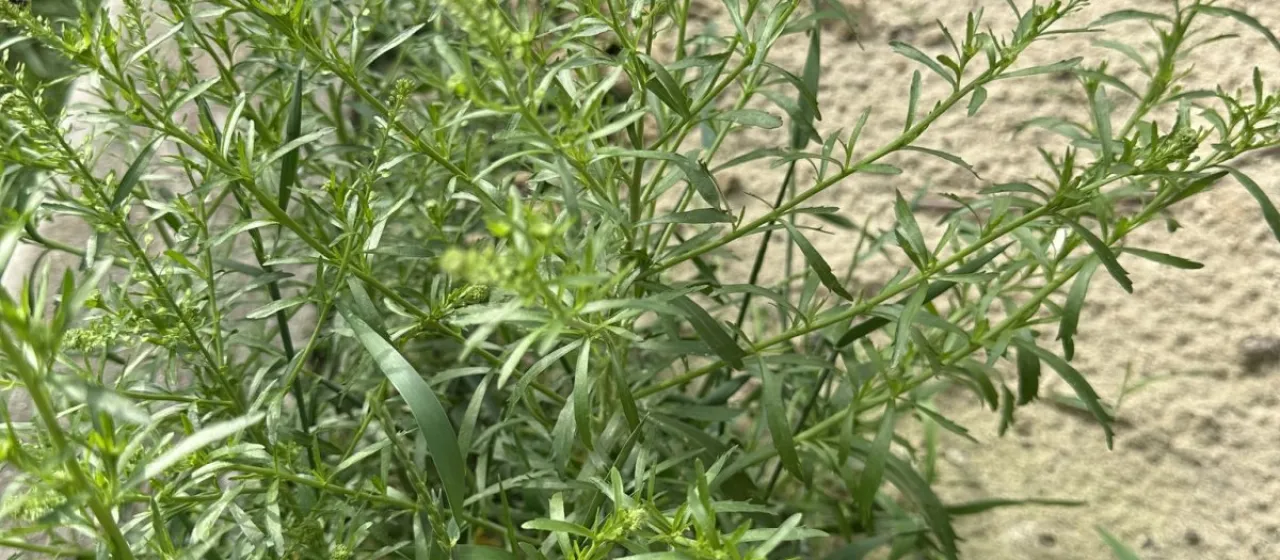
Description
Neglected pepperweed (Lepidium neglectum) is a herbaceous plant species that belongs to the Brassicaceae family. While it is commonly classified as a ruderal or weed species in many agricultural settings, it is a significant botanical subject due to its resilience and adaptive traits. It serves as an interesting specimen for studying the survival strategies of the mustard family in anthropogenically disturbed environments.
The species is native to North America and has since naturalized in various temperate regions across the globe. Its distribution range is quite broad, as it easily colonizes disturbed soils, roadsides, and abandoned fields. This wide geographical spread demonstrates the plant's ability to thrive in diverse environmental conditions, ranging from semi-arid plains to more humid, disturbed habitats.
Botanically, this plant is characterized by a branched stem and small, alternate leaves with serrated margins. The inflorescence consists of dense racemes bearing small, white, four-petaled flowers typical of the genus. Its fruit is a small, flattened silicle that facilitates effective seed dispersal, which is a key factor in its aggressive colonization of new territories if not properly managed during the growing season.
Regarding cultivation and soil requirements, this species favors well-drained, sunny locations with high mineral content. Although it is quite hardy, it thrives best in slightly alkaline to neutral soil pH. Agrotechnical practices for this plant involve careful site selection to ensure maximum sun exposure and consistent weed control during the early seedling stage to prevent uncontrolled proliferation across the field area.
The economic use of this plant is primarily focused on its phytochemical properties, including the extraction of compounds found in its seeds. Its primary threats include insect pests like flea beetles and fungal diseases such as white rust or various blights that affect members of the Brassicaceae family.
- High adaptability to various soil types
- Rapid seed maturation cycle
- Significant resistance to drought conditions
- Ease of propagation in temperate climates