Lepironia articulata
Lepironia articulata (Retz.) Domin
Description
Lepironia articulata, commonly known as the grey sedge, is a perennial aquatic plant belonging to the Cyperaceae family. It is a robust plant characterized by its cylindrical, leafless stems that exhibit prominent internal septa, making them highly prized for their structural integrity and flexibility when dried.
This species is native to tropical regions of Southeast Asia, Madagascar, and the Pacific Islands. It thrives in wetlands, freshwater marshes, and riverbanks where it can remain partially submerged throughout the year. Its distribution is heavily tied to warm, humid climates that support continuous growth cycles.
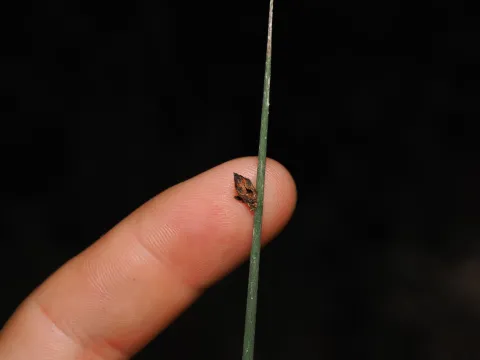
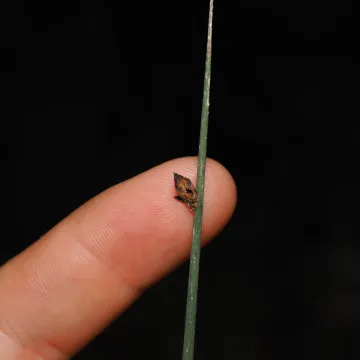
From a botanical standpoint, the plant propagates through an extensive creeping rhizome system, which allows it to form dense colonies in marshy soils. The stem, which is the primary economic part of the plant, can grow up to 2 meters in length and possesses a smooth, durable surface. Flowers appear in lateral spikes, which is a characteristic feature for identifying the species.
Cultivation requires specific environmental conditions, primarily water-saturated soils or shallow standing water. While the plant is hardy in its native habitat, agricultural management involves controlling water levels to prevent weed competition during the establishment phase and ensuring adequate nutrient levels in the silt-rich substrate.
The economic utility of Lepironia articulata is centered on its use as a sustainable natural material:
- Traditional weaving of high-quality floor mats and carpets.
- Crafting of artisanal hats, bags, and various wicker-like containers.
- Utilization as a natural cordage and packing material.
- Deployment in environmental engineering projects for water purification and erosion control.
Common agricultural threats include fungal stem blight and root pathogens, which often flourish in stagnant, poorly managed water conditions. Maintaining water circulation and avoiding over-densification of the planting rows are the primary methods for preventing disease outbreaks and ensuring the production of high-quality, uniform stems for industrial and craft use.
Photo gallery