
Description
Lepisorus ussuriensis is a perennial fern belonging to the Polypodiaceae family. It is recognized for its unique growth habit as an epiphyte or lithophyte, naturally inhabiting the forest ecosystems of the Russian Far East, China, Korea, and Japan. This species acts as an important component of forest biodiversity in these regions.
The plant originates from temperate regions with high atmospheric humidity. In its natural habitat, it is found clinging to tree trunks or moss-covered rocky cliffs. This ecological niche dictates its physiological requirements, specifically regarding moisture retention and its adaptation to low-light levels characteristic of the forest understory.
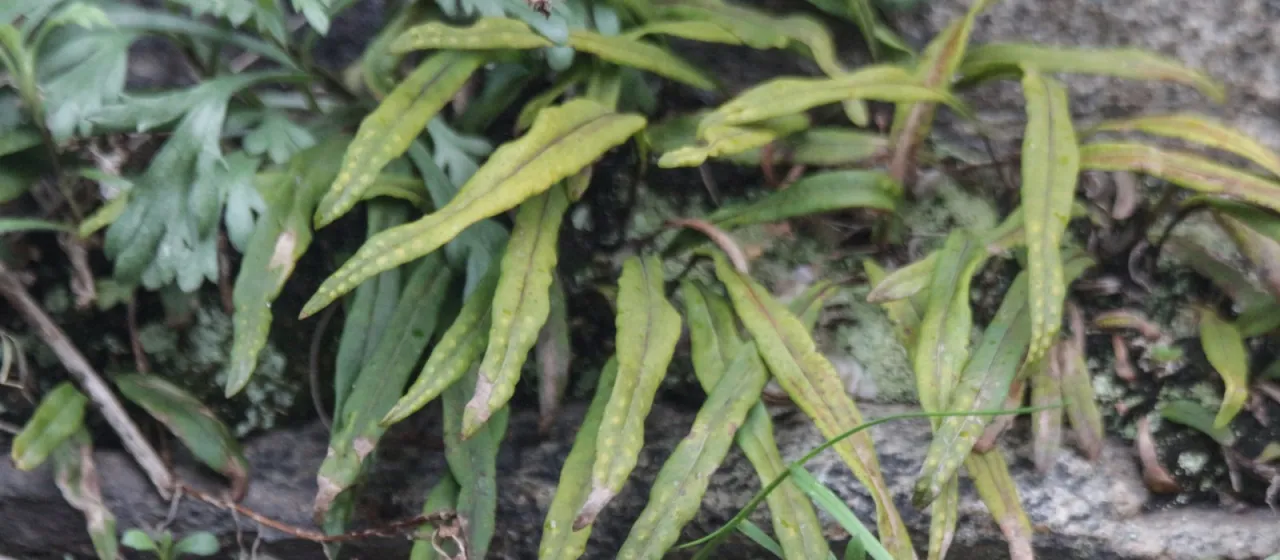
Botanically, Lepisorus ussuriensis features a creeping, scaly rhizome that supports simple, lanceolate, leathery fronds. The fronds are adapted to survive fluctuations in humidity, showing a clear, distinct venation pattern that is diagnostic for the species. Its root system is primarily designed for attachment rather than deep soil penetration.
Cultivation requires specific conditions: a well-drained, porous substrate consisting of tree bark, sphagnum moss, and charcoal is essential to mimic its natural epiphytic environment. Growers must ensure high relative humidity and protected, shaded conditions. The plant is sensitive to waterlogged roots and low ambient humidity, which can lead to desiccation.
The primary economic use of this fern is in ornamental horticulture, particularly in the creation of indoor vertical gardens and specialized terrariums. Furthermore, it holds interest for pharmacological research, as plants within the genus Lepisorus have been studied for the presence of compounds with potential therapeutic properties in traditional Eastern medicine.
- Requires high air humidity for optimal growth.
- Prefers shaded or filtered light conditions.
- Must be grown in airy, epiphyte-specific substrates.
- Sensitive to high salinity and water stagnation.