
Description
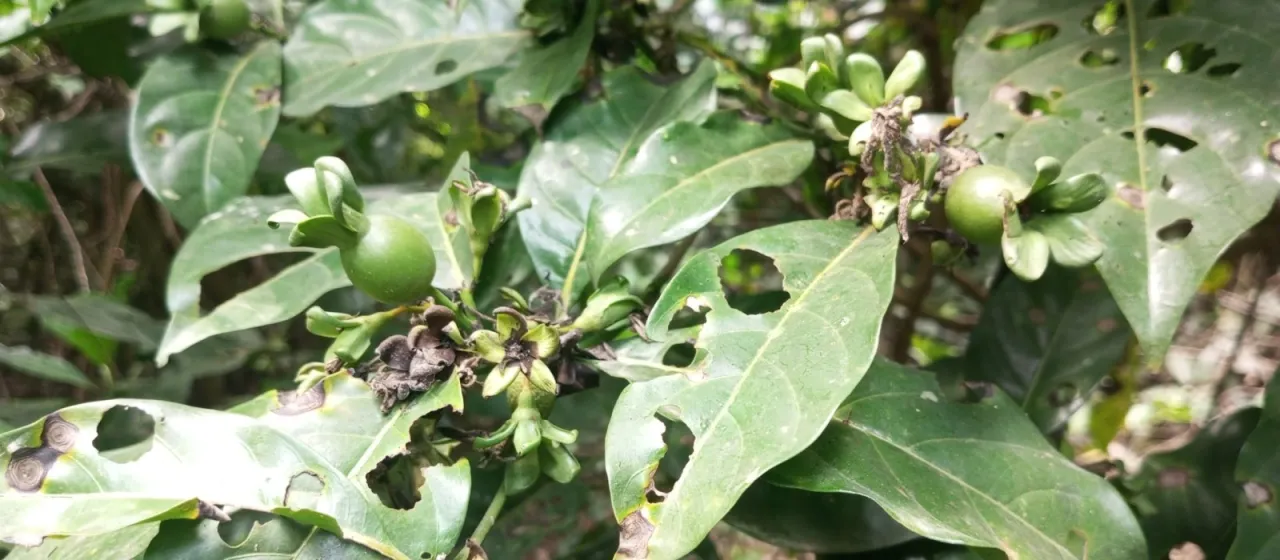
Leptactina arborescens is a perennial woody shrub belonging to the diverse Rubiaceae family. Known for its distinct growth habit and aromatic, tubular flowers, this plant is a significant member of the tropical flora. It typically develops into a robust bush, showcasing the morphological traits characteristic of the coffee-family relatives.
The native range of this species is located in the tropical regions of Africa. It thrives in humid, shaded forest environments, which necessitates specific microclimate conditions when cultivated in controlled environments such as greenhouses or conservatories. It is highly sensitive to frost and sudden temperature drops, reflecting its tropical origin.
Botanically, the plant features opposite, leathery leaves and terminal inflorescences. For successful cultivation, it requires well-drained, humus-rich soil with a slightly acidic profile. Water management is crucial; while the plant enjoys moisture, it is prone to root rot if the substrate remains waterlogged for extended periods, necessitating efficient drainage systems.
In terms of economic and agricultural use, Leptactina arborescens is primarily utilized in ornamental horticulture. Its aesthetic value, derived from its lush foliage and attractive flowering pattern, makes it a popular choice for botanical gardens and specialized plant nurseries. It represents a niche segment in the trade of exotic tropical ornamental species.
Managing the plant's health requires vigilance against common pests such as spider mites, aphids, and scale insects, which often proliferate in glasshouse conditions. Preventive agronomic practices include:
- maintaining proper air circulation;
- regular monitoring for early pest signs;
- applying balanced liquid fertilizers during the growth season;
- ensuring high atmospheric humidity;
- pruning to maintain desired plant shape.