
Description
Leptobryum pyriforme is a species of moss belonging to the Bryaceae family. In an agricultural context, it is primarily recognized as a persistent weed or a bioindicator in greenhouse settings, nurseries, and intensive horticulture facilities. It frequently appears on the surface of potting media, creating a dense, velvety layer that can impede oxygen exchange for the root systems of greenhouse crops.
The species possesses a cosmopolitan distribution, thriving in artificial environments where consistent moisture and nutrient availability are maintained. Because it is highly adaptable, it is found globally in greenhouse operations. Its rapid colonization rate makes it a significant management concern, as it can quickly overwhelm small seedlings or delicate nursery stock if left unmanaged.
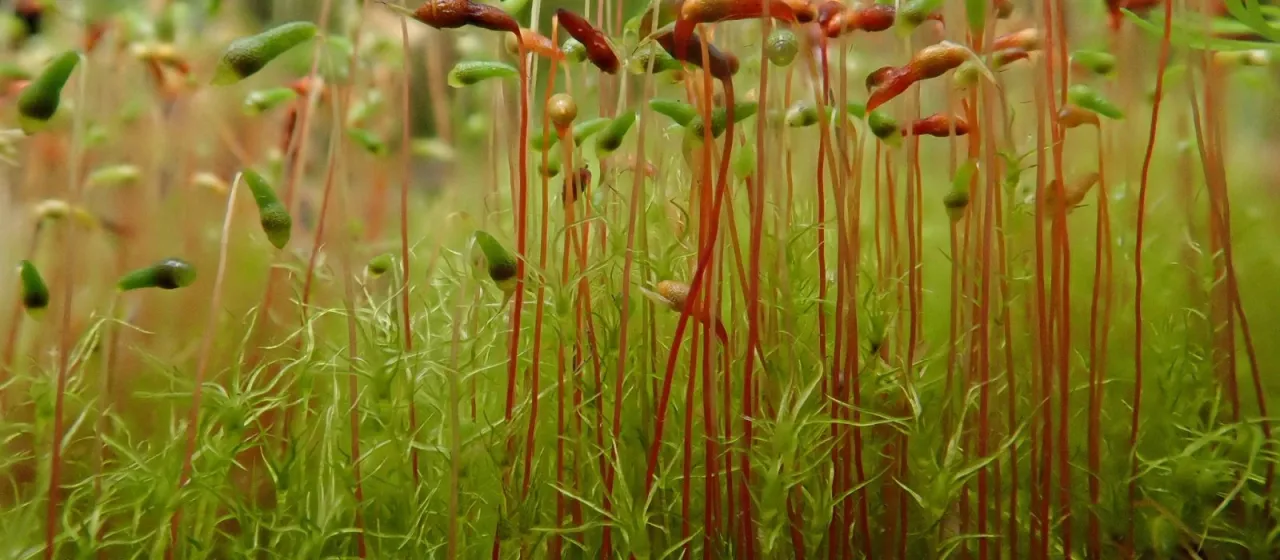
Botanically, it is characterized by fine, slender stems and distinct pear-shaped (pyriform) capsules. The moss reproduces efficiently through spores, which are easily disseminated by wind or irrigation splashing. Its ability to grow on organic-rich, acidic, and moist surfaces makes it particularly prevalent in peat-based substrates used for propagation and greenhouse production.
Effective agronomic control relies on environmental management rather than chemical intervention. Agronomists recommend adjusting the substrate pH to be slightly more alkaline, improving drainage systems, and implementing strict irrigation protocols to avoid surface saturation. Increasing air circulation and light exposure are also critical cultural practices to suppress the growth of this moss species within the cultivation area.
While Leptobryum pyriforme does not serve as a traditional food or fiber crop, it is significant in the study of greenhouse ecology. Its presence serves as a warning sign for poor greenhouse management or underlying issues with soil aeration and water distribution. Controlling this moss is essential for maintaining the quality and health of commercial horticultural products, preventing root asphyxiation and competition for resources.
- Constant moisture on the substrate surface.
- High acidity levels in potting soils.
- Inadequate air circulation in greenhouses.
- High nutrient levels in the surface layer.