
Description
Leptochloa decipiens is a perennial grass species belonging to the Poaceae family. Recognized for its resilience and productivity, this species is gaining attention in agricultural research as a potential candidate for pasture improvement, particularly in regions where environmental conditions limit the growth of more sensitive forage grasses.
Native to Australia, this plant is well-adapted to diverse environmental conditions ranging from dry grasslands to slightly marshy terrains. Its natural distribution suggests a high degree of phenotypic plasticity, allowing it to thrive in climates that experience significant seasonal fluctuations in rainfall. This adaptability is a key asset for sustainable farming in marginal lands.
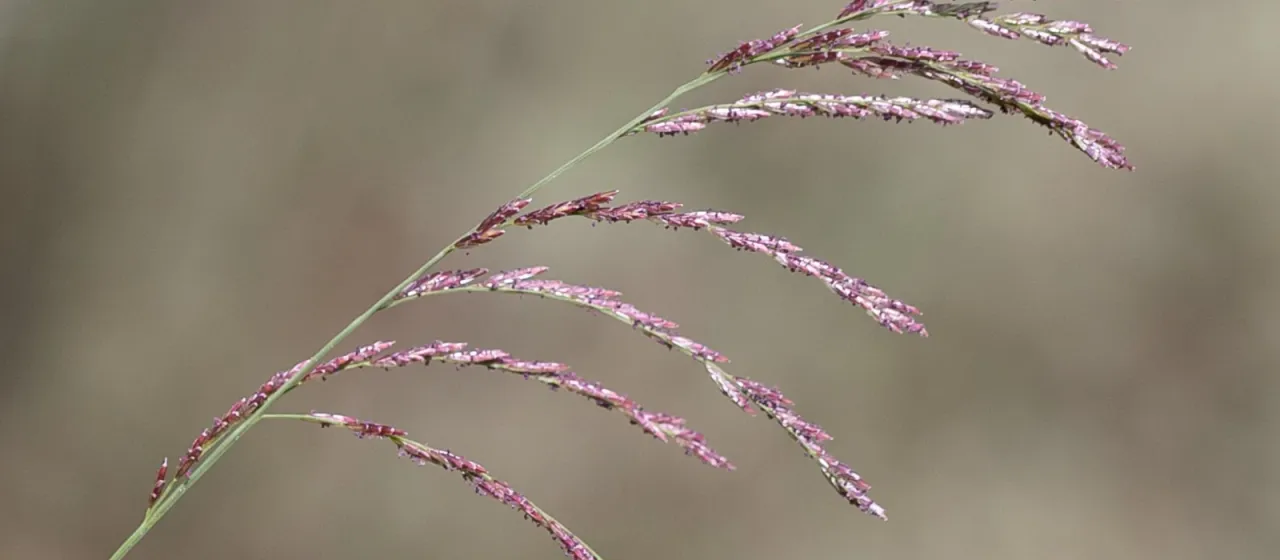
Botanically, Leptochloa decipiens is characterized by its tufted growth habit and slender, upright culms. The leaves are typically narrow and long, providing a substantial amount of biomass per plant. Its inflorescence is a distinct panicle that produces numerous seeds, facilitating efficient propagation and natural reseeding in established stands.
Cultivation requirements for this species are relatively straightforward. It prefers sunny locations and well-draining soil, although it shows tolerance to temporary waterlogging. Standard agronomic practices, such as seedbed preparation and adequate nitrogen fertilization, are recommended to maximize forage yields.
- Soil testing for pH optimization.
- Controlled grazing to prevent over-extraction.
- Periodic monitoring for pest activity.
The primary agricultural use of this grass is as fodder for livestock. It provides a nutritious and palatable source of forage, suitable for both grazing and hay production. Regarding health, the crop is generally hardy, though it may be susceptible to typical grass pathogens, including various leaf spot fungi and stem-boring insects, which necessitate an integrated pest management approach.