
Description
Leptochloa panicea is an annual grass species belonging to the Poaceae family. In agricultural and botanical contexts, this plant is recognized for its robust growth habit and ability to adapt to diverse environments. While sometimes treated as a weed in cereal crop fields, it holds interest for agronomists as a potential forage resource in specific tropical and subtropical climatic zones.
Originally native to the tropical Americas, Leptochloa panicea has expanded its range across various parts of the globe. It is commonly found in regions characterized by warm temperatures and consistent moisture, often colonizing disturbed habitats, roadsides, and cultivated lands where ecological conditions favor the rapid colonization of annual grasses.
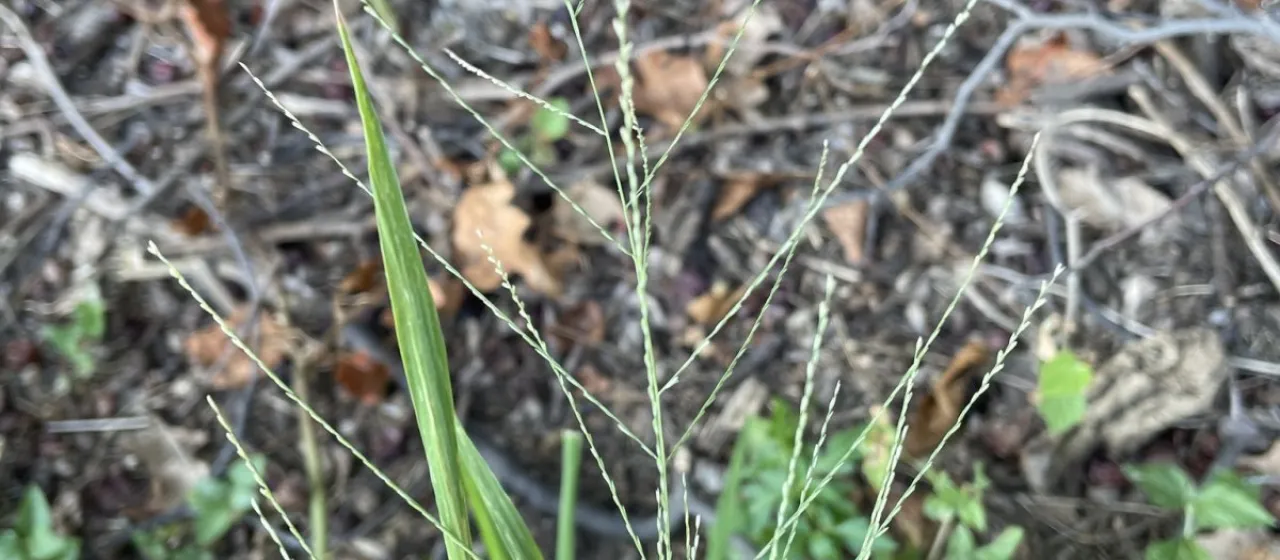
Botanically, the plant features culms that can be either erect or sprawling, often reaching a significant height depending on nutrient availability. Its leaves are typically linear and scabrous, while the inflorescence is a panicle consisting of slender racemes. The root system is fibrous and highly efficient, allowing the plant to compete successfully for water and soil nutrients.
To cultivate or manage this species effectively, one must consider its environmental preferences. It thrives in well-drained, fertile soils with a neutral pH. The plant is highly responsive to solar radiation and requires consistent soil moisture during the active vegetative stage. Agricultural management typically involves monitoring population density to prevent shading out adjacent crops and ensuring that harvesting occurs before seed maturation to avoid uncontrolled dispersal.
Key agricultural aspects and challenges:
- Primary use: Source of forage, though quality depends on the harvest stage.
- Disease susceptibility: Vulnerable to common grass pathogens like rust and mildews in high-humidity conditions.
- Pest threats: Can be targeted by stem borers, aphids, and various soil-dwelling larvae.
- Control strategy: Mechanical removal or chemical management is recommended when the species interferes with primary crop yields.
- Yield potential: High biomass production in optimal growing seasons.