
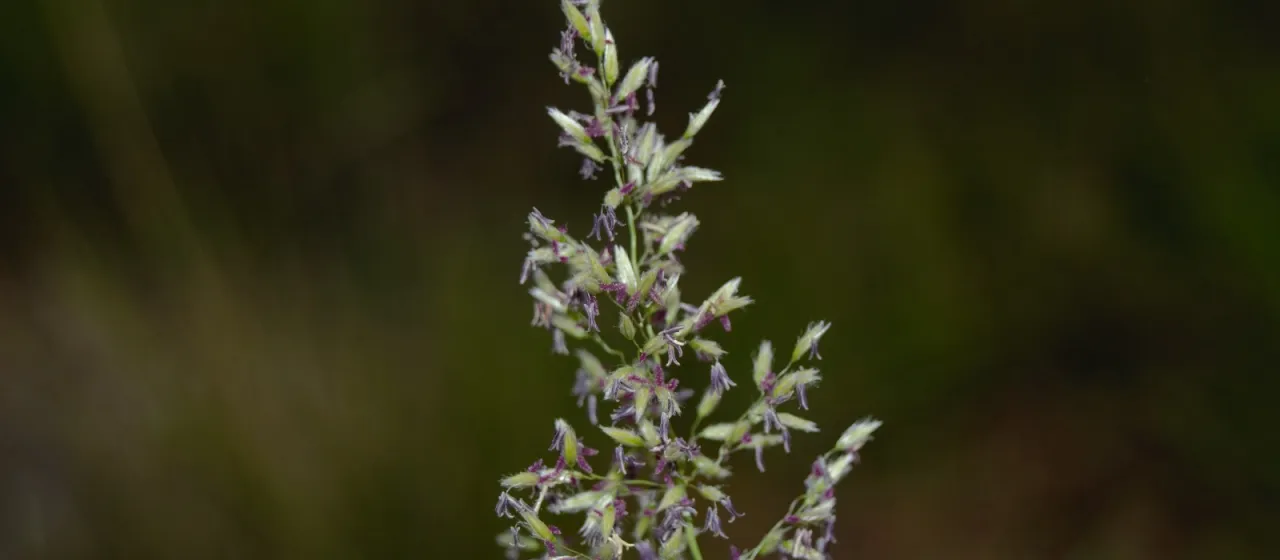
Description
Leptocoryphium lanatum is a perennial grass species belonging to the Poaceae family. Known for its distinct appearance, it plays a vital role as a component of native grasslands and pastures, demonstrating significant adaptation to challenging environmental conditions within its native range.
Originating in the tropical and subtropical regions of the Americas, this grass is widely found across diverse landscapes, including savannas and open woodlands. Its ability to colonize various habitats has made it a subject of interest for agricultural researchers focused on improving productivity on marginal lands.
The botanical profile of the plant features tufted growth habits with erect stems. The inflorescence is a panicle characterized by silky or woolly spikelets, from which the name of the species is derived. These morphological traits facilitate effective seed dispersal and provide a level of resilience against harsh sunlight and wind.
Regarding cultivation requirements, Leptocoryphium lanatum thrives in well-drained, acidic, and nutrient-poor soils. It is notably drought-tolerant once established, making it a sustainable choice for extensive pasture systems in subtropical zones. Proper management involves avoiding overgrazing to maintain the vigor of the root system.
- Requires full sun exposure for optimal growth.
- Excellent tolerance to acidic soil conditions.
- Responds well to rotational grazing practices.
- Can be affected by common grass pests and fungal leaf spots.
The primary agricultural use of this species is as forage for livestock. While its nutritional quality varies depending on the growth stage, it serves as a reliable source of biomass in regions where more demanding grasses fail. Integrated pest management strategies are recommended to mitigate the impact of specific local insects and pathogens that target Poaceae family crops.