
Description
Leptodermis oblonga is a perennial deciduous shrub belonging to the Rubiaceae family. While not a conventional agricultural commodity, it is highly valued in the nursery and ornamental plant trade for its elegant growth habit, compact structure, and a distinct late-season blooming cycle that adds late-summer interest to garden landscapes.
The native habitat of this species is East Asia, specifically the mountainous regions of China. In its natural environment, it thrives on rocky slopes, indicating a high degree of adaptability to well-drained, nutrient-poor substrates. In cultivation, it is successfully grown in temperate regions that provide sufficient sunlight and protection from harsh winter winds.
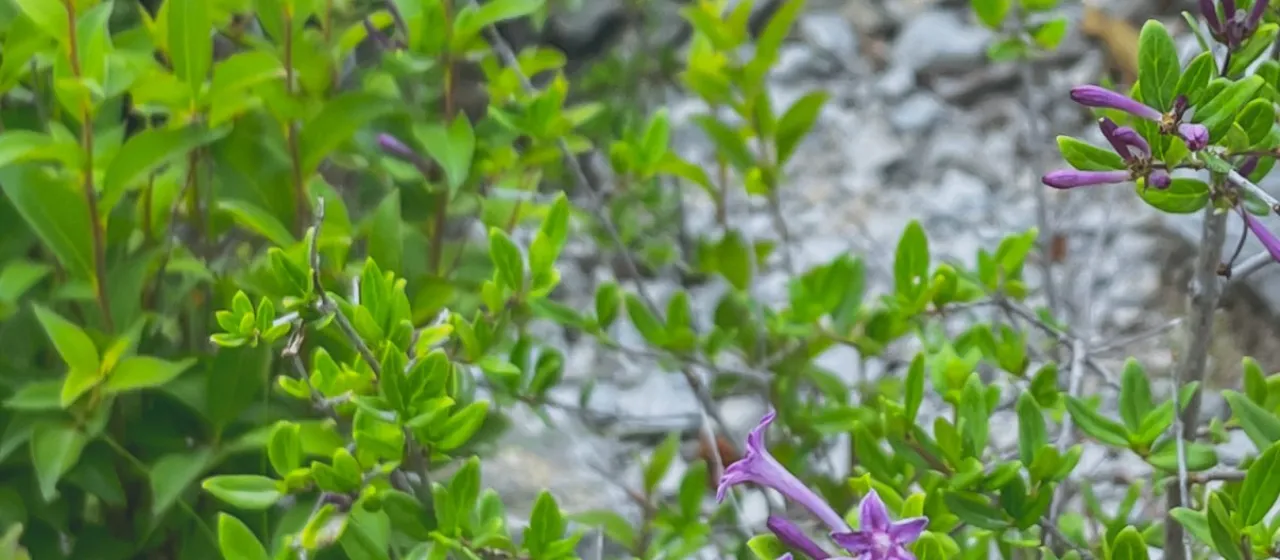
Botanically, the plant is characterized by its branching stems adorned with narrow, oblong leaves that contribute to an airy, delicate appearance. The flowers are tubular to funnel-shaped, clustered in heads, and often emit a pleasant fragrance. The root system is relatively modest, which facilitates container cultivation and suitability for rock gardens.
To ensure healthy growth, Leptodermis oblonga requires well-drained soil, preferably sandy or loamy with a neutral to slightly acidic pH level. The plant is photophilous, meaning it prefers full sun exposure to promote vigorous growth and maximum flowering. Agronomic care involves regular but moderate irrigation, as the plant is susceptible to root rot if soil moisture remains excessively high.
The primary economic use of Leptodermis oblonga is within the landscaping and horticulture industry. Key applications include:
- Establishing low-growing hedges and garden borders.
- Utilizing as an accent plant in rock gardens and alpine settings.
- Enhancing container gardens on patios and terraces.
Regarding plant health, the species is generally hardy but prone to fungal diseases if kept in waterlogged soil. Pests such as aphids or spider mites can occasionally affect the plant in suboptimal conditions. Routine monitoring and adhering to proper drainage practices are essential to maintain the vigor and aesthetic appeal of the shrub throughout the season.