
Description
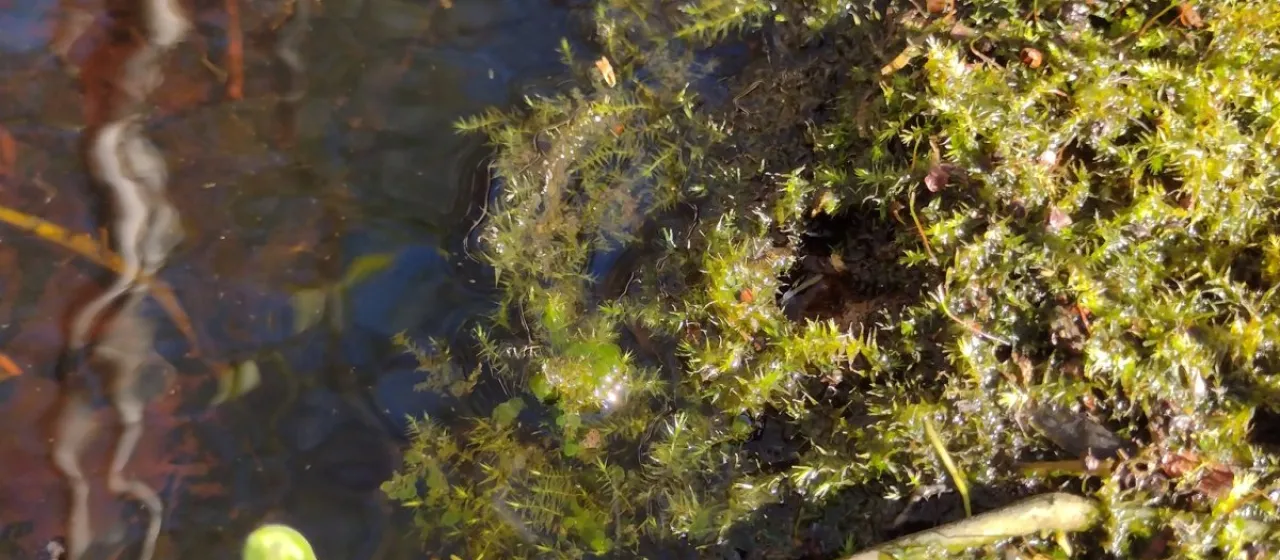
Leptodictyum riparium, commonly known as stringy moss, is a bryophyte belonging to the Amblystegiaceae family. It is a highly resilient species valued in both agricultural and hobbyist aquatic settings for its ability to thrive in diverse moist environments, ranging from fully submerged conditions to damp soil habitats.
The origin of this moss is cosmopolitan, spanning across the temperate regions of Europe, Asia, and North America. It is typically found in riparian zones, clinging to rocky banks, tree roots, and decaying wood near water bodies, which confirms its preference for high humidity and constant moisture levels.
Botanically, it consists of slender, irregularly branched stems and narrow, lanceolate leaves that grow in a creeping fashion. Unlike vascular plants, it lacks true roots, relying instead on rhizoids for attachment to substrates. Its growth pattern is rapid, allowing it to quickly form dense mats that serve as a habitat for macroinvertebrates.
Cultivation requirements for Leptodictyum riparium focus on water quality and lighting. While it is not strictly demanding, it performs best in temperatures between 18 and 24 degrees Celsius with indirect lighting. Nutrient uptake is entirely through the water column, making it an excellent candidate for hydroponic biofiltration systems where it can sequester excess nitrogen.
Economic and practical uses include its role in landscaping indoor and outdoor water features, its function as a natural water purifier in aquaponics, and its utility in breeding programs for aquatic fauna. While generally robust, the crop is susceptible to algal overgrowth and fungal infections if the water chemistry becomes imbalanced or if stagnation occurs.