
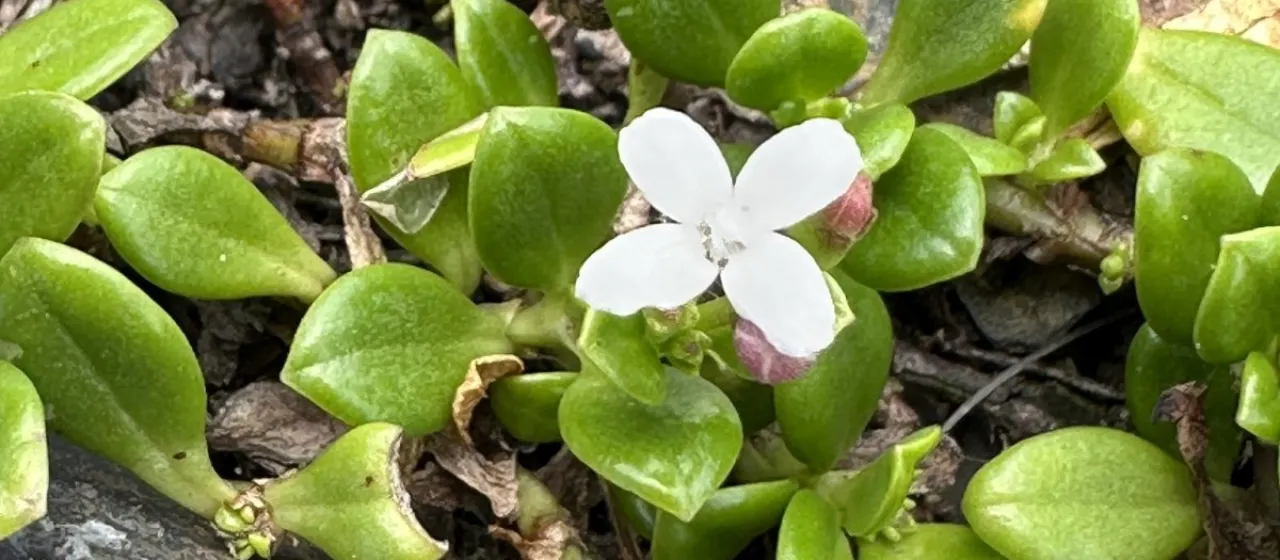
Description
Leptopetalum strigulosum is a specialized crop species classified under the Rubiaceae family. While it is not a large-scale commodity crop, it represents a significant interest in specialized agricultural sectors and botanical horticulture due to its unique physiological adaptations and botanical complexity.
The plant originates from the tropical regions of Southeast Asia. Its natural habitat is defined by high atmospheric humidity and consistent thermal conditions, which are critical factors that influence its cultivation requirements in controlled or semi-controlled agricultural environments.
Botanically, Leptopetalum strigulosum is recognized by its distinct strigose (hairy) pubescence on the stems and leaf surfaces, from which its specific epithet is derived. It typically exhibits a herbaceous growth habit with decumbent stems, requiring specific spacing to ensure proper air circulation and to prevent the development of localized moisture pockets.
Successful cultivation relies on precise soil and climate management. The plant thrives in:
- Well-drained, nutrient-rich soil with a slightly acidic pH;
- Temperatures maintained within a stable tropical range;
- Filtered light conditions to avoid leaf scorching;
- Consistent moisture levels without waterlogging the root zone.
In terms of agricultural management, producers must remain vigilant against common pests such as spider mites and mealybugs, which are attracted to the soft tissues of the plant. Pathological issues typically arise from over-irrigation, leading to root rot. Implementing an integrated pest management (IPM) program is essential to maintain the health and vigor of this crop throughout the season.