
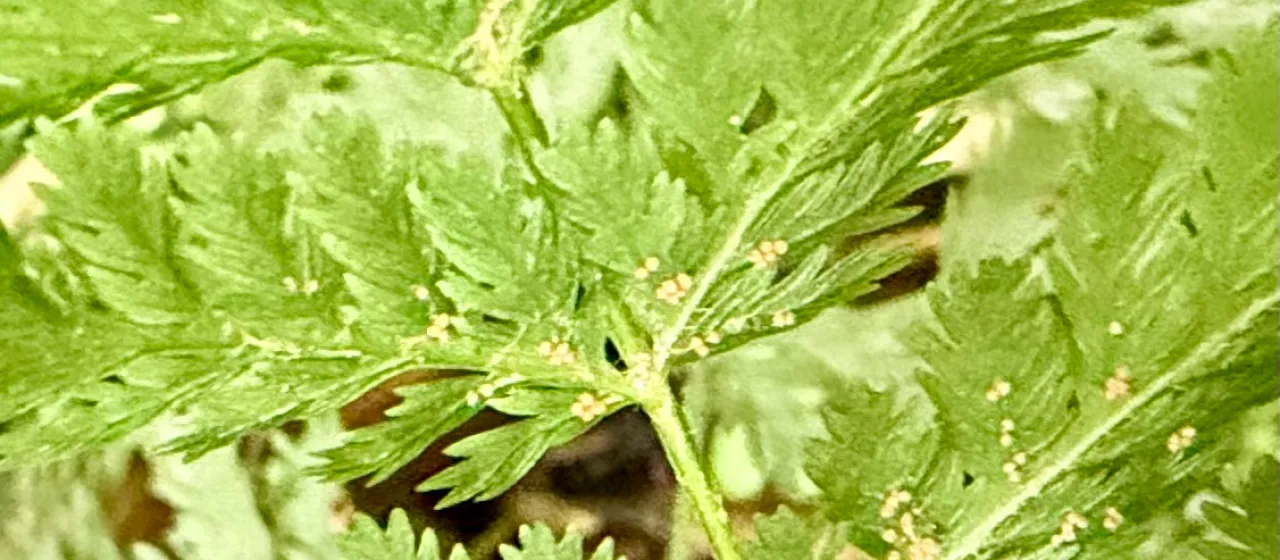
Description
Leptopteris hymenophylloides is a distinct species of fern belonging to the family Osmundaceae. Often referred to as a filmy fern due to the thin, translucent texture of its fronds, this plant is highly prized by collectors for its delicate appearance and botanical significance within its natural habitat.
The species originates from New Zealand, thriving primarily in dense, shaded forests with high levels of atmospheric humidity. It is strictly adapted to temperate, moisture-rich environments, which makes it a challenging plant to cultivate outside of controlled greenhouse environments or specialized terrarium setups where natural conditions can be replicated.
Botanically, the plant is characterized by a short rhizome and fronds that consist of only a single layer of cells between the veins, giving them a membrane-like quality. Unlike larger tree ferns, it maintains a compact habit, with fertile fronds bearing sporangia on the underside, typical of the family. The delicate nature of the foliage requires constant protection from direct sunlight and desiccation.
In terms of agricultural requirements, the species demands a consistent supply of distilled or rainwater and a well-draining, acidic growing medium, such as a mix of peat, bark, and perlite.
- Humidity: Consistent 80%+ levels are essential.
- Light: Deep, filtered shade is required for survival.
- Temperature: Cool to moderate climate without drastic fluctuations.
The plant is mainly utilized in botanical display and scientific research rather than broad commercial agriculture. When cultivated, it is susceptible to typical indoor pests like spider mites and aphids if the ambient humidity drops. Proper maintenance relies on ensuring high environmental hygiene to prevent fungal pathogens from affecting the root system or the fragile leafy tissue.