
Description
The large-flowered leptosiphon (Leptosiphon grandiflorus) is an attractive annual herb belonging to the Polemoniaceae family. In agricultural and horticultural contexts, it is highly regarded for its compact growth habit and prolific blooming, making it an excellent candidate for ground cover and various decorative landscape applications.
This species originates from western North America, specifically thriving in the varied environments of California. In its native habitat, it favors open, sun-drenched sites with well-drained, sandy, or rocky soils. Its natural adaptability allows it to be grown successfully in temperate climates worldwide, provided the essential soil and light conditions are met.
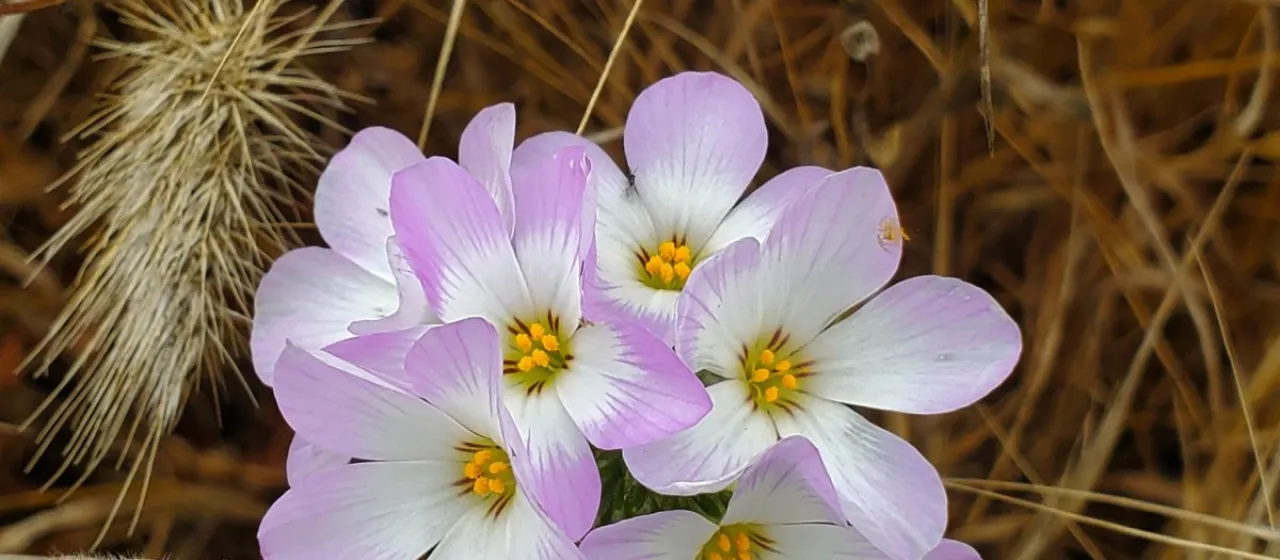
Botanically, the plant features delicate, pinnately divided leaves that create a moss-like texture on the soil surface. The flowers are funnel-shaped and clustered at the terminals of the stems, offering a diverse palette of colors including white, cream, pink, and violet. The plant typically reaches a height of 15 to 25 centimeters, maintaining a dense and uniform appearance throughout its flowering period.
Cultivation requirements for this species are specific: it demands full sun exposure to flourish and maintain its compact form. The soil must be loose, gritty, and exceptionally well-drained to avoid root rot. While the plant exhibits significant drought tolerance once established, consistent yet moderate moisture is beneficial during the initial stages of growth and in extremely arid periods.
The primary use of Leptosiphon grandiflorus is ornamental. It is frequently utilized in rock gardens, as a filler plant in borders, or as a decorative element in containers. While generally resistant to pests and diseases, gardeners should monitor for spider mites during hot, dry weather and avoid over-irrigation to prevent fungal pathogens from affecting the root system.