
Description
Lepyrodiclis holosteoides is a plant species belonging to the Caryophyllaceae family. In an agronomic context, it is frequently classified as a robust herbaceous plant that occupies various habitats, including agricultural fields, wasteland, and disturbed areas. While often treated as a weed, its biological persistence makes it a significant subject of study in weed science and field crop ecology.
The origin of this species is primarily centered in the temperate and steppe regions of Central Asia and the Caucasus. It is highly adapted to varying climates, thriving in sun-exposed environments with seasonal rainfall. Its ability to grow in diverse soil types, ranging from light sandy soils to more structured clay loams, highlights its wide ecological amplitude and resilience as a colonizing species.
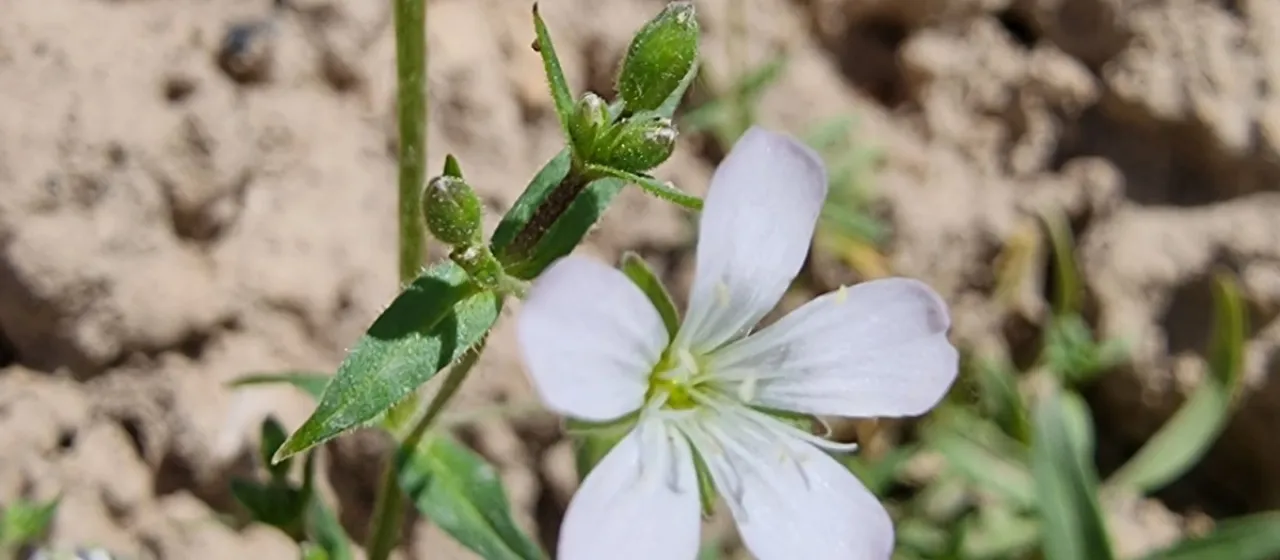
Botanically, the plant is characterized by its annual life cycle, erect or ascending stems, and lanceolate, opposite leaves. The flowers are small, white, and organized in loose terminal cymes, designed for effective cross-pollination. The root system is relatively deep for its size, allowing the plant to maintain water uptake during dry spells, which is a key factor in its dominance in arid landscapes.
Effective management and cultivation practices involve targeted mechanical intervention and crop rotation strategies. Since Lepyrodiclis holosteoides produces a large quantity of seeds that remain viable in the soil for extended periods, integrated pest management (IPM) focusing on seedling eradication prior to anthesis is essential for maintaining crop yield in heavily infested areas.
Regarding health and resistance, the plant is known for its durability. It shows a natural tolerance to many common agricultural pathogens. Common pests typically include specific aphids and lepidopteran larvae that target the Caryophyllaceae family. Due to the presence of secondary metabolites in its tissues, it is often less susceptible to generalized insect damage compared to traditional fodder crops, though it does not possess major commercial value.