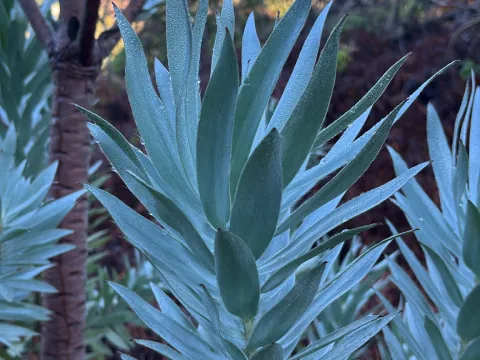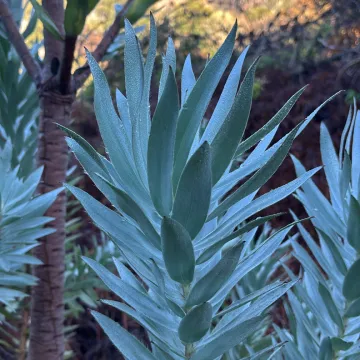
Silver tree
Leucadendron argenteum
Description
The Silver tree (Leucadendron argenteum) is a prestigious ornamental species within the Proteaceae family. It is widely recognized for its striking, silvery-hairy leaves that shimmer in sunlight, making it a highly desirable commodity in the professional floral market.
The plant originates from the Cape Peninsula in South Africa, specifically found on the slopes of Table Mountain. Commercially, it is cultivated in regions with stable Mediterranean-like climates that offer ample sunlight and frost-free winters, which are crucial for the development of its signature foliage.
Botanically, this evergreen tree is dioecious, meaning male and female flowers occur on separate individual plants. The leaves are lanceolate, stiff, and covered in fine, silky hairs. The plant has evolved to thrive in nutrient-poor, acidic, and well-draining soils, displaying a unique root structure adapted to survival in harsh conditions.
Agronomic management is specialized due to the plant's sensitivity to soil nutrients, particularly phosphorus, which can be lethal to the root system. Successful cultivation requires a strictly controlled irrigation regime, avoiding any waterlogging while ensuring consistent moisture. Maintenance pruning is also essential to manage size and promote the growth of harvestable stems.
The primary economic use is the production of premium foliage for the cut-flower industry. Growers must maintain rigorous biosecurity and integrated pest management (IPM) to control typical issues such as:
- phytophthora root rot caused by poor soil drainage;
- botrytis blight in humid, poorly ventilated greenhouses;
- infestations of aphids and mealybugs affecting tender growth.
Photo gallery