
Description
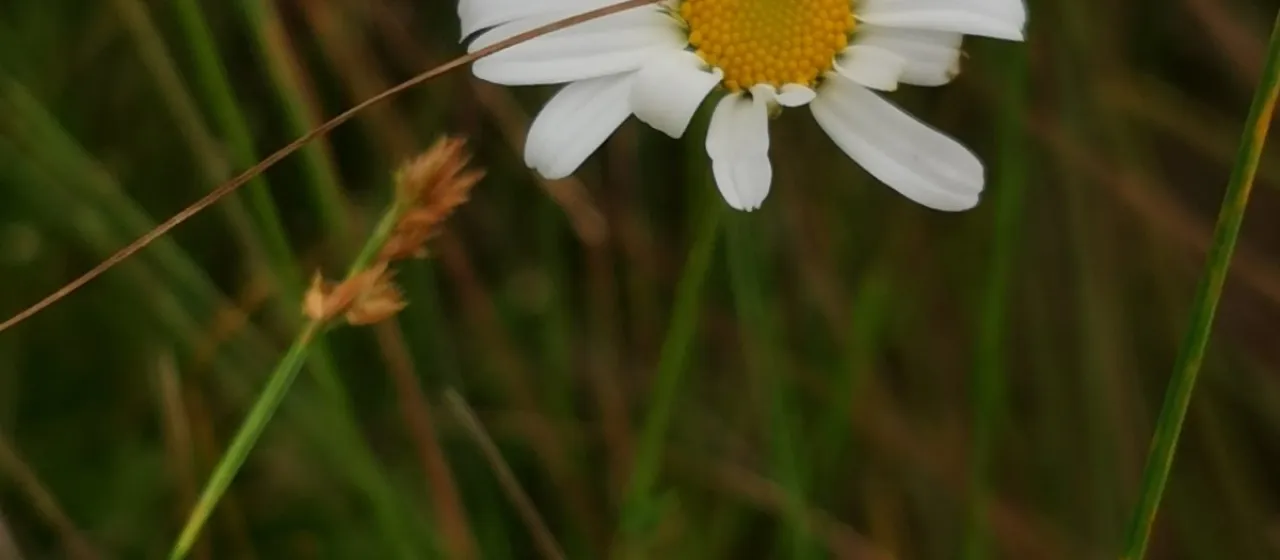
Leucanthemella linearis is a perennial herbaceous plant belonging to the Asteraceae family. Historically linked to the genus Chrysanthemum, it is now classified as a distinct species that provides excellent aesthetic value in late-summer and autumn landscapes. It is recognized for its refined, daisy-like appearance and sturdy growth habit.
The native habitat of this plant encompasses regions of East Asia, primarily China, Japan, and the Korean Peninsula. Thriving naturally in moist meadows and wetlands, it has evolved to handle varying water conditions, making it a robust choice for garden areas that maintain moisture. It has been introduced to Western horticulture due to its unique structural characteristics.
Botanically, the plant is characterized by its narrow, linear leaves and upright stems that typically reach heights between 60 and 100 cm. The inflorescences are composite flower heads featuring crisp white ray florets and a central yellow disc, which creates a visually striking contrast. These plants are clump-forming, slowly expanding over time to create a dense display.
Cultivation requires specific environmental conditions, including fertile, moisture-retentive soil and exposure to full sun or light shade. Agronomic care is relatively straightforward: it involves supplemental watering during dry spells, applying organic matter in early spring to boost growth, and cutting back stems after the first hard frost to prepare the plant for winter dormancy.
In landscaping, Leucanthemella linearis is an excellent choice for herbaceous borders, cottage-style gardens, and near water features.
- Disease resistance is generally high, though growers should monitor for common issues such as powdery mildew in poorly ventilated, humid spots.
- Pests like aphids may occasionally affect the buds, but these can be managed with standard horticultural soaps or biological control methods.