
Description
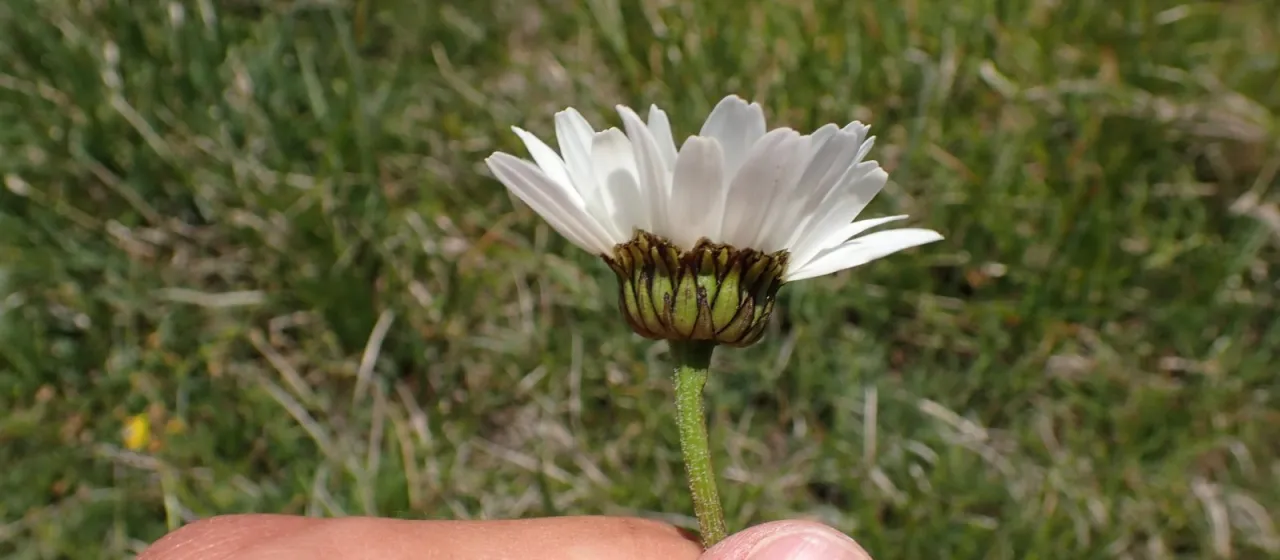
Leucanthemum adustum is a perennial herbaceous plant belonging to the Asteraceae family. Often associated with the daisy group, this species is distinguished by its unique leaf morphology, which features dark, burned-like margins. This characteristic provides an aesthetic appeal that differentiates it from common ornamental daisies.
The plant originates from the mountainous regions and meadows of Central and Southeastern Europe. Due to its natural habitat, it has evolved to be highly resilient to variable weather conditions, making it an excellent candidate for temperate climate cultivation. It thrives in open environments and is noted for its ability to overwinter successfully in diverse soil conditions.
Botanically, the plant features erect, sturdy stems that typically reach heights of 30 to 60 centimeters. The foliage is arranged along the stem, while the inflorescences consist of prominent white ray florets surrounding a dense, yellow central disk. The plant's root system is robust, allowing it to adapt to various soil types, provided they are well-aerated.
Agrotechnical requirements focus on providing full sunlight exposure and well-draining, nutrient-rich soil. While the plant is drought-tolerant once established, supplemental irrigation is recommended during prolonged dry spells to maximize floral output. Periodic deadheading is essential, as it prevents seed formation and redirects plant energy back into secondary blooming cycles.
In terms of agricultural and horticultural use, Leucanthemum adustum is primarily valued in landscape design. It is widely utilized in naturalistic garden themes, such as wildflower meadows and perennial borders. Its long-lasting blooms also make it a moderate candidate for cut flower production in artisanal floral arrangements.
Regarding plant health, the species is susceptible to common pests such as aphids and leaf miners, which can damage foliage integrity. Pathogenic risks primarily involve fungal infections like powdery mildew, which can be mitigated through proper spacing to ensure adequate air circulation and by avoiding overhead irrigation during humid weather conditions.