
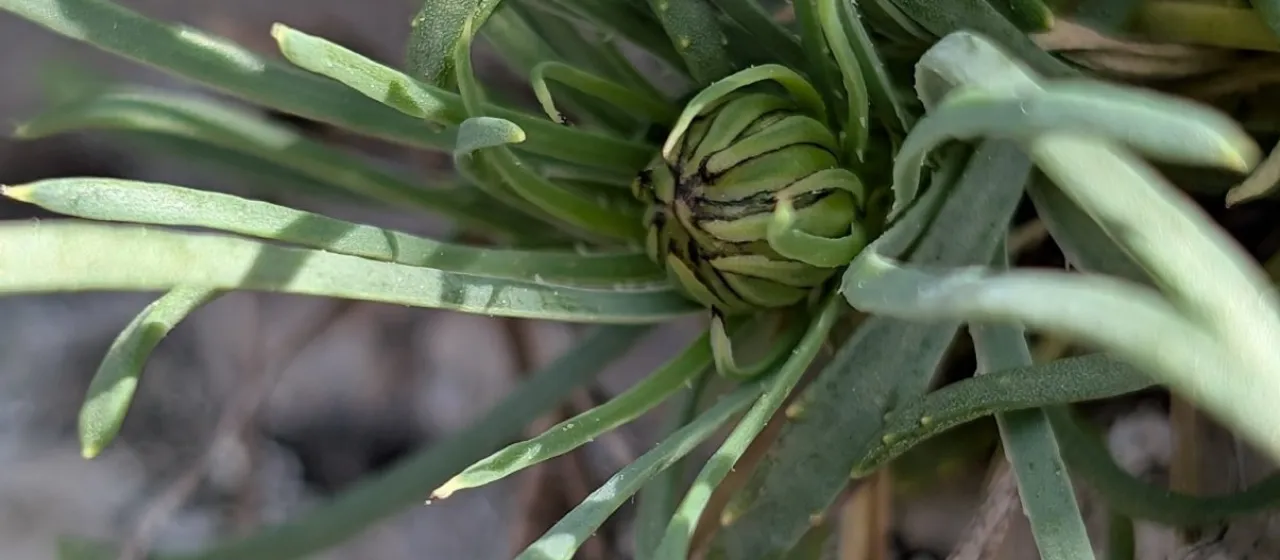
Description
Burnat's daisy (Leucanthemum burnatii) is a perennial herbaceous plant belonging to the Asteraceae family. It is a close relative of the classic garden daisy, distinguished by its unique alpine adaptation and refined ornamental traits. This species is highly valued by gardeners for its robust growth habit and long-lasting floral displays during the summer season.
The plant originates from the mountainous regions of Europe, primarily thriving in alpine environments. In cultivation, it performs best in temperate climates where it can receive ample sunlight. Its natural habitat suggests a preference for well-drained, stony, or rocky soils, which is a key factor to consider when selecting a location for garden planting.
Botanically, the plant features erect stems reaching heights between 20 and 50 centimeters, accompanied by a basal rosette of deeply dissected leaves. The flowers appear as classic composite heads with white ray florets surrounding a bright yellow disc. The root system is well-developed, ensuring the plant remains vigorous and winter-hardy across different growing seasons.
Agricultural requirements for Leucanthemum burnatii include full sun exposure and fertile, well-draining soil. Maintaining moderate soil moisture is crucial, as the plant does not tolerate waterlogging. Proper care practices involve regular weeding, removing spent blooms to encourage new growth, and light fertilization in early spring to support the development of flower buds.
- Exceptional winter hardiness.
- Thrives in neutral to slightly alkaline soil.
- Low susceptibility to major pests.
- Easily propagated via division or seed.
The primary use for Burnat's daisy is in ornamental landscape design, particularly in rock gardens, borders, and meadow-style plantings. While it is naturally resistant to many pests, growers should monitor for signs of fungal issues like powdery mildew, which can occur if air circulation is poor or if the soil remains constantly wet. Adequate spacing is essential to keep the plant healthy.