
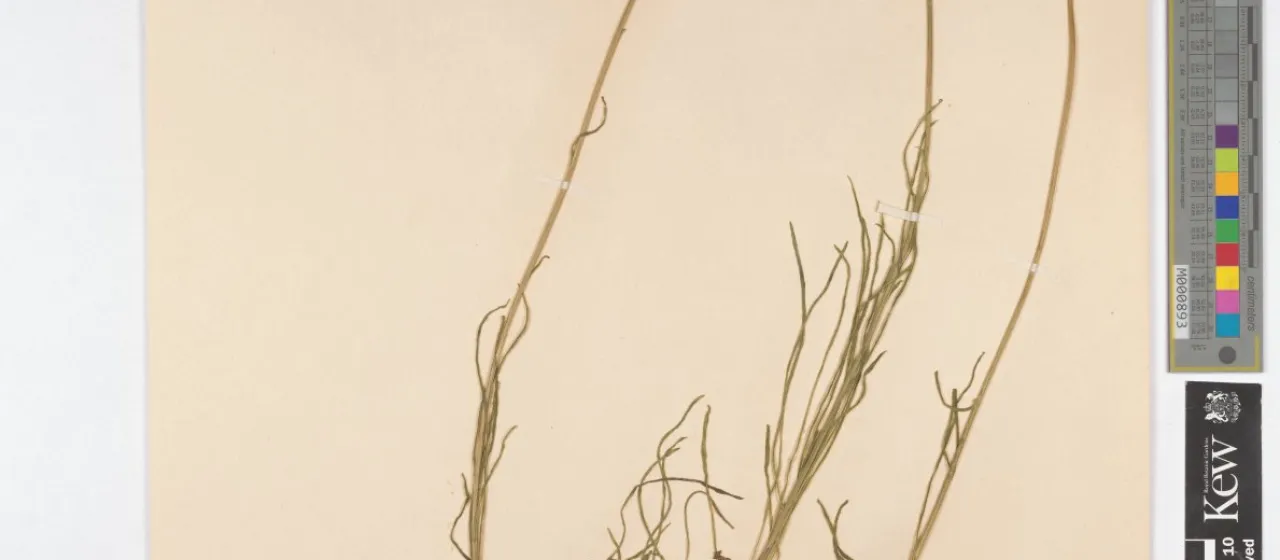
Description
Leucanthemum chloroticum is a perennial herbaceous plant belonging to the Asteraceae family. Known in horticulture for its distinct green-tinged flowers, it represents a specialized variety within the genus that offers unique aesthetic value compared to the common white-petaled species often found in agricultural settings.
The native habitat of this plant is centered in the mountainous regions of the Balkans, particularly within the Balkan Peninsula. Due to its evolutionary history in alpine environments, the plant exhibits a robust nature and an ability to thrive in diverse climatic conditions, provided that its core ecological needs are met through proper cultivation.
Botanically, the plant develops strong stems and a basal rosette of leaves. The flower heads are composed of ray florets that display a pale, chlorotic, or greenish hue, which serves as its primary identification mark. These morphological traits make it a sought-after subject for ornamental cultivation in specialized nurseries and gardens.
Successful cultivation of Leucanthemum chloroticum requires well-drained, nutrient-rich soils with a neutral pH. Unlike some related species, it is particularly sensitive to waterlogged conditions, which can lead to root rot. It performs best in full sun exposure, which ensures the development of its signature coloration and maintains strong stem integrity.
Agricultural management should focus on consistent moisture levels during the vegetative phase and periodic thinning to prevent overcrowding. Typical pests include aphids and mites, while fungal pathogens such as powdery mildew may appear if airflow is insufficient. Proper maintenance, including weeding and organic fertilization, is essential to ensure the longevity and productivity of the plantings.