
Description
The grass-leaved oxeye (Leucanthemum graminifolium) is a perennial herbaceous plant belonging to the Asteraceae family. It is a distinctive member of the Leucanthemum genus, primarily recognized for its narrow, grass-like foliage that differentiates it from the broader-leaved species typically associated with daisies.
Originating from the mountainous regions of Southern Europe, this species is well-adapted to rocky, calcified, and nutrient-poor soils. Its native habitat has endowed it with high drought tolerance and a natural ability to thrive in challenging environmental conditions, making it a robust choice for xeriscaping or rock gardens.
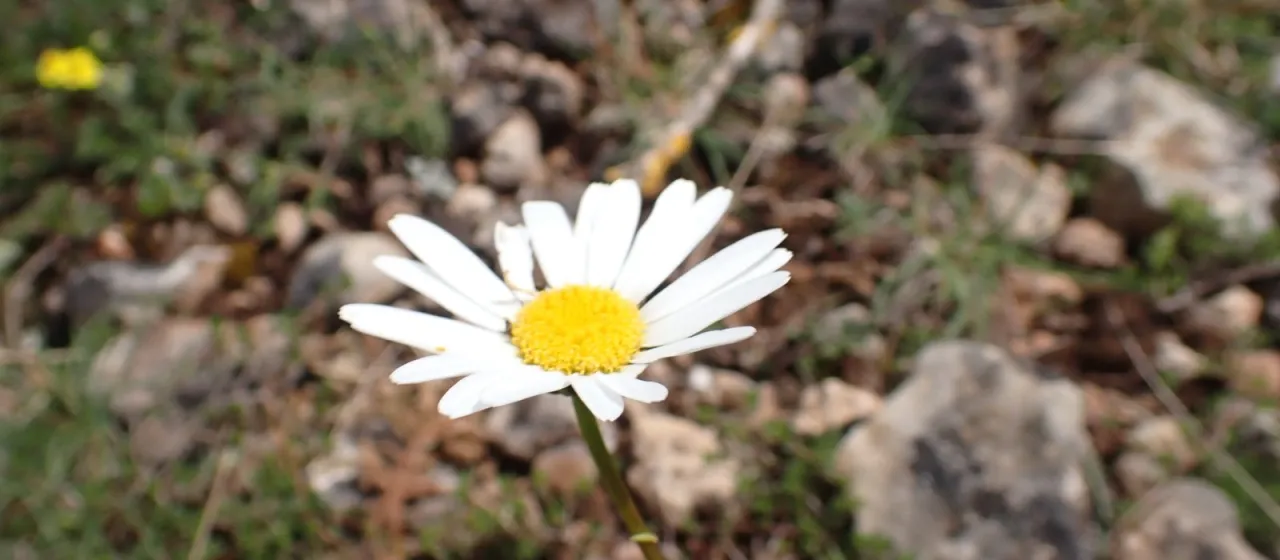
Botanically, the plant develops a low basal rosette of linear leaves. During the blooming season, it produces slender stems bearing white daisy-like flower heads with golden-yellow centers. Standing typically between 20 to 40 centimeters tall, it maintains a compact habit throughout the growing season, which is highly desirable for ornamental landscaping.
For successful cultivation, the grass-leaved oxeye requires full sun exposure and well-draining soil. It is particularly sensitive to stagnant moisture, which can cause root rot; therefore, providing a gravelly or sandy substrate is highly recommended. Maintenance is relatively simple, requiring only the removal of spent flowers to encourage further development and periodic cleaning of the foliage.
This species is primarily utilized in ornamental horticulture for its ability to integrate well into alpine garden designs, borders, and rockeries. While generally resilient, the plant may occasionally face pressure from aphids or spider mites. Gardeners should also monitor for fungal issues such as powdery mildew, which can occur if airflow around the plant is insufficient or if the surrounding environment remains consistently humid.