
Description
Irkutsk daisy (Latin: Leucanthemum ircutianum) is a perennial herbaceous plant belonging to the Asteraceae family. This species is widely recognized in both botanical studies and ornamental horticulture for its resilience and ability to thrive in a variety of temperate environmental conditions across Eurasia.
The origin of this species is primarily linked to the regions of Europe and Asia, extending into Siberia, which characterizes its high winter hardiness. As a cultivated plant, it is often utilized for its ability to stabilize soil and provide a sustainable aesthetic value in meadow-style gardens and restored grassland ecosystems.
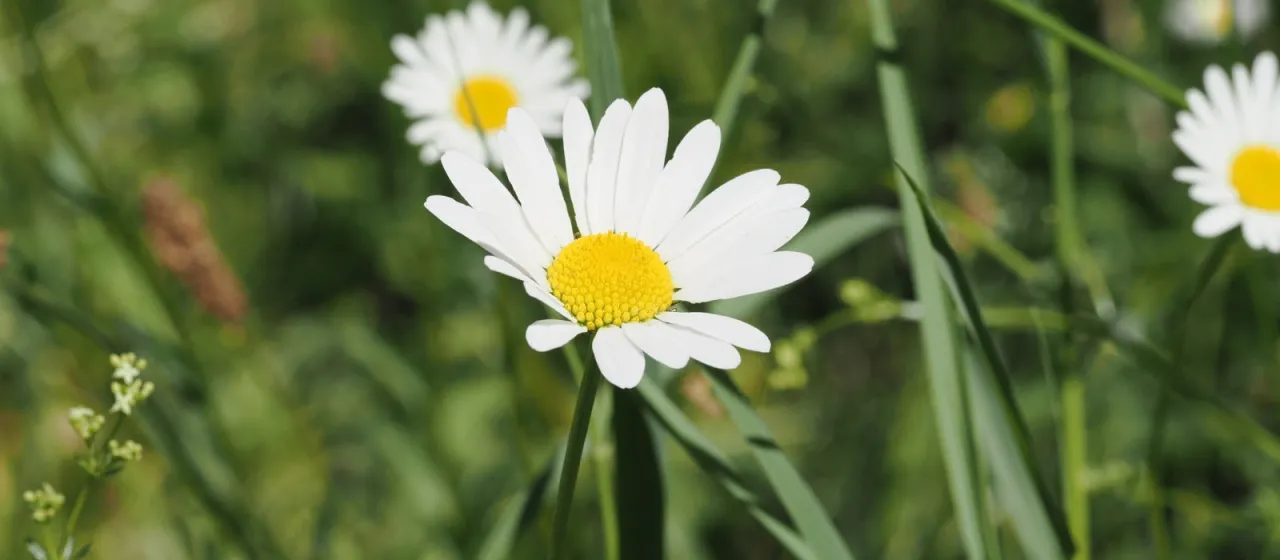
Botanically, the Irkutsk daisy is characterized by upright, sometimes branching stems and iconic capitulum-type inflorescences with white ray florets and yellow disk florets. It features a robust root system that facilitates nutrient absorption, allowing the plant to remain competitive against other meadow vegetation in its native or introduced habitats.
Regarding agrotechnical requirements, the crop prefers well-drained, fertile soil and sunny locations. While it is naturally adapted to survive in various conditions, optimal growth is achieved through moderate watering and the removal of competing weeds during the early stages of vegetation. It is highly responsive to balanced soil enrichment during the spring growth phase.
Key areas of хозяйственного use include:
- Landscape design and urban gardening for biodiversity support.
- Use in honey production due to its attractiveness to pollinators.
- Floral arrangements and cut flower production.
- Ecological restoration projects for native plant community rehabilitation.
Like many species in the Asteraceae family, the Irkutsk daisy can be susceptible to common plant diseases such as powdery mildew, especially in humid or poorly ventilated conditions. Pests including aphids and froghoppers may also affect the plant's health. Effective management involves maintaining proper spacing, monitoring moisture levels, and implementing integrated pest management practices.