Creeping daisy
Leucanthemum paludosum (Poir.) Bonnet & Barratte
Description
The creeping daisy (lat. Leucanthemum paludosum) is a charming annual flowering plant that belongs to the Asteraceae family. Known for its compact habit and abundant, long-lasting blooms, it serves as a staple in ornamental horticulture. Despite its botanical name suggesting a swampy habitat, it performs best in well-drained, moist garden soils rather than waterlogged conditions.
Native to the Mediterranean region, including Southern Europe and parts of North Africa, this species thrives in climates characterized by mild winters and warm growing seasons. Its adaptability has made it a popular choice for growers across various temperate zones, where it is utilized both as an bedding plant and in containerized displays due to its manageable size and high aesthetic appeal.
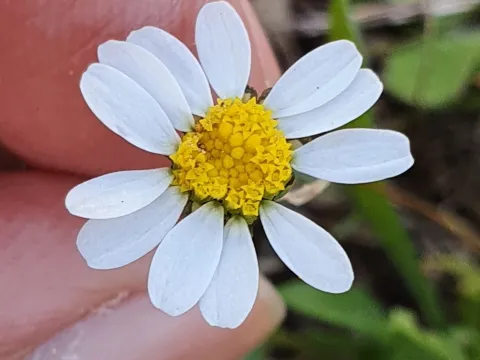
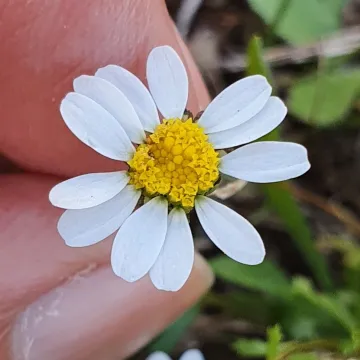
Botanically, the plant develops into low-growing, bushy clumps reaching approximately 20 to 25 cm in height. Its foliage consists of serrated, bright green leaves that form a lush backdrop for the numerous flower heads. These flowers feature pure white ray florets surrounding a prominent, vibrant yellow central disc, giving the plant its classic daisy-like appearance.
Successful cultivation of this crop requires full sun exposure and fertile, well-draining soil. It is essential to manage moisture levels carefully; while the plant enjoys consistent watering, excess moisture in the root zone must be avoided to prevent decay. Regular maintenance involves deadheading spent flowers, which significantly encourages the development of new buds and maintains the plant's tidy appearance throughout the season.
The primary horticultural applications for this species include:
- Border planting and edging for garden beds.
- Use in rock gardens as a low-spreading accent.
- Pot and container culture for patios and balconies.
- Filling gaps in landscape designs with uniform, colorful coverage.
Common plant health issues include powdery mildew, especially in areas with high humidity and poor air circulation, as well as root rot if the soil is too heavy. Pests such as aphids or spider mites can occasionally affect the plant during hot, dry spells. Effective management relies on proper site selection, maintaining adequate plant spacing, and utilizing appropriate integrated pest management practices to ensure a healthy display.
Photo gallery