
Description
Leucas aspera, commonly known as Thumba, is an annual herbaceous plant belonging to the Lamiaceae family. It is widely recognized across South Asia for its significant role in traditional medicinal systems and its unique aromatic profile, making it a plant of both cultural and economic interest.
The plant is native to tropical and subtropical regions of Asia, specifically India, Sri Lanka, and Southeast Asia. It is frequently found growing as a weed in cultivated fields, particularly those with sandy or alluvial soils. Due to its resilience, it thrives in diverse environments, often appearing spontaneously after the monsoon season.
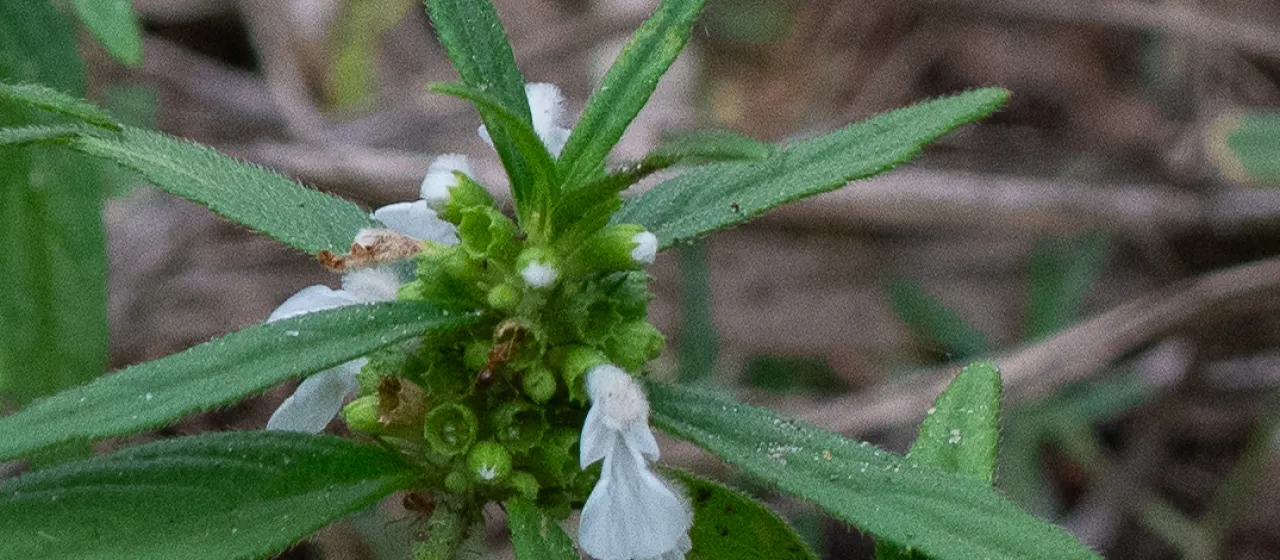
Botanically, the plant grows to a height of 20–60 cm and features a characteristic square-shaped stem covered with fine, white hairs. The leaves are linear-lanceolate with serrated margins, which feel rough to the touch, hence the name aspera. The inflorescence consists of dense, globose clusters of white flowers, which are the main ornamental and medicinal feature of the plant.
From an agricultural standpoint, the plant prefers well-draining, loose soil and full sun exposure. It is highly drought-tolerant but performs best when provided with regular moisture during the establishment phase. Cultivation practices include sowing seeds in loose, enriched soil and maintaining low weed competition until the plants are fully established.
In terms of utilization, Leucas aspera is extensively used in Ayurveda to treat various ailments, including respiratory infections, skin disorders, and snake bites. It is also used in culinary traditions as a flavoring agent. While it is generally hardy, growers should monitor for potential issues such as fungal leaf spot and infestations by aphids, especially in humid conditions.