
Description
Leucas cephalotes is an annual herbaceous plant belonging to the Lamiaceae family. Known for its distinct medicinal applications, it is a significant plant species within its native ecosystems in South Asia, particularly in India, where it has been utilized for centuries in traditional herbal practices.
The plant originates from the tropical regions of Asia and is commonly found growing as a weed in agricultural lands and roadside areas. Its distribution is closely linked to warm, humid climates, although it demonstrates a remarkable ability to adapt to varying soil conditions within its native range.
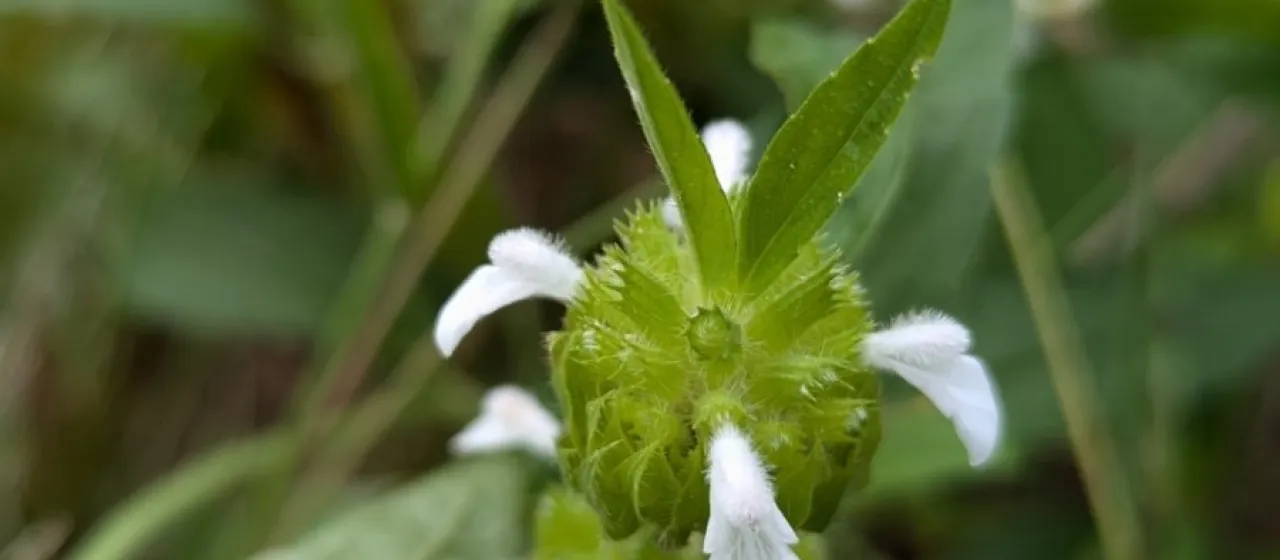
Botanically, it is characterized by its square, pubescent stems and opposite, lanceolate leaves. The most striking feature of the plant is its dense, terminal, spherical inflorescences (flower heads) with white flowers, which are surrounded by leafy bracts. This structure makes the plant easily distinguishable from other members of the Lamiaceae family.
Regarding cultivation requirements, Leucas cephalotes thrives in well-drained, sandy-loam soils and requires full sun exposure to flourish. It is a warm-season crop that does not tolerate cold temperatures or frost. Proper agrotechnical management requires monitoring moisture levels to ensure the soil remains moist but not waterlogged, as root rot is a major risk.
Economically, the plant is valued for its pharmacological properties, particularly in treating respiratory ailments, coughs, and inflammatory conditions. It is frequently harvested for its volatile oils and phytochemical compounds. Farmers must stay vigilant against common pests such as aphids and spider mites, which can cause significant damage to the foliage during the peak growing season.