
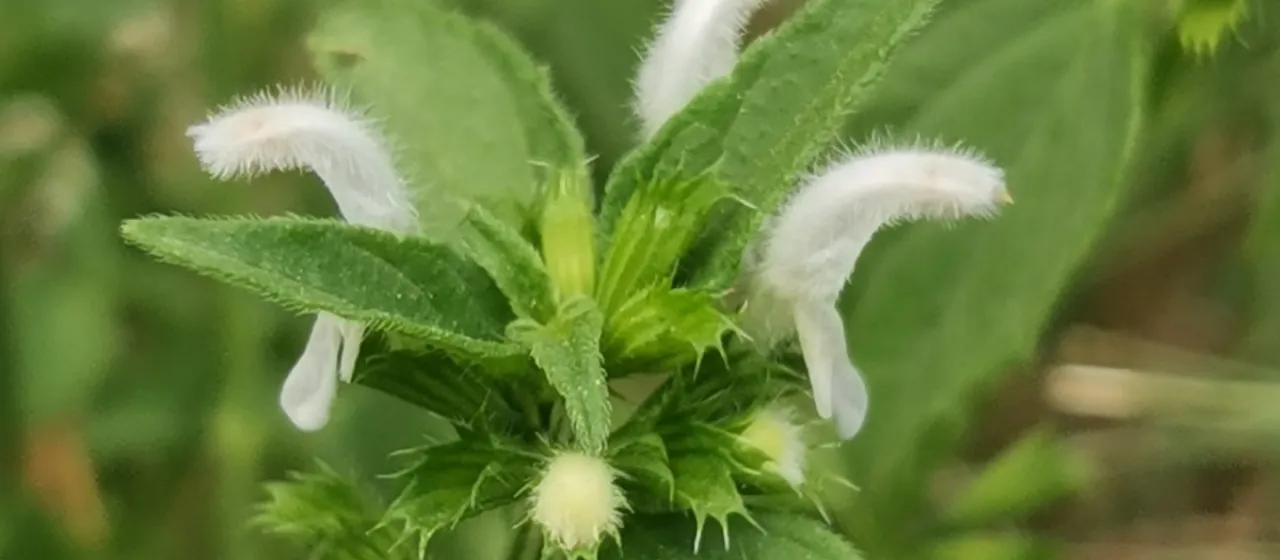
Description
Leucas glabrata is a significant herbaceous plant belonging to the Lamiaceae family. Often valued for its phytochemical potential, this species is cultivated as a specialty crop in various tropical and subtropical regions. It is recognized for its adaptability and the presence of specialized secondary metabolites in its foliage.
The plant originates from the tropical areas of Africa and parts of Asia. It thrives in regions characterized by high solar radiation and stable warm temperatures. In an agricultural setting, it is essential to replicate these conditions, providing protection against extreme cold and ensuring that the plant is grown in areas with adequate daylight hours for optimal growth.
Botanically, it is distinguished by its upright stem structure and leaves that lack significant hairiness, which defines the 'glabrata' epithet. The flowers are arranged in dense whorls, typical of the mint family. Its root system is moderately aggressive, requiring sufficient space in the substrate to prevent nutrient competition and to ensure consistent plant vigor throughout the growing cycle.
Cultivation requirements involve sandy-loam soils that offer excellent drainage. The plant is sensitive to waterlogging, which necessitates careful irrigation management. Key agronomic practices include:
- Regular soil aeration to prevent compaction.
- Application of balanced organic fertilizers during the vegetative stage.
- Monitoring of soil moisture levels to avoid root rot.
- Timely harvesting to ensure maximum concentration of active compounds.
In terms of plant health, Leucas glabrata is occasionally susceptible to pests such as aphids and whiteflies, especially when grown in protected environments. Disease control is focused on maintaining proper airflow and avoiding excessive humidity, which helps mitigate the development of powdery mildew and other fungal infections.