
Description
Leucas lanata is a perennial herb belonging to the Lamiaceae (mint) family. This species is characterized by its distinct woolly pubescence, which serves as an evolutionary adaptation to arid environments, helping the plant retain moisture and protect its tissues from intense solar radiation.
The plant is native to parts of South Asia, particularly thriving in diverse landscapes ranging from rocky hillsides to open grasslands. Its ability to colonize marginal lands makes it a resilient species within its ecosystem, often found in regions where other crops might struggle due to erratic rainfall patterns.
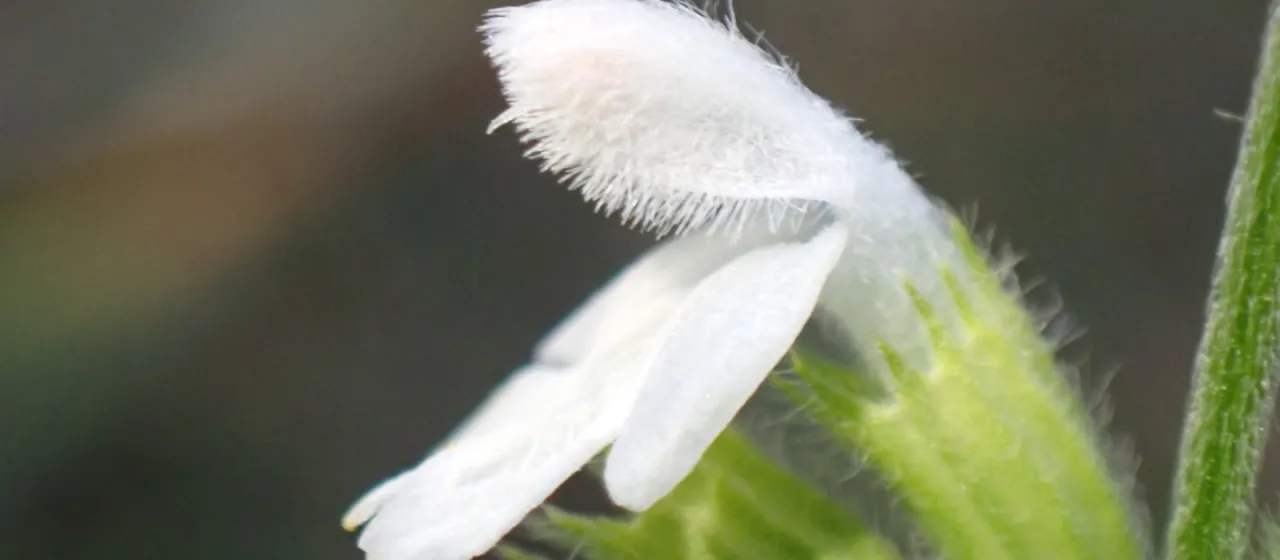
Botanically, Leucas lanata features quadrangular stems and opposite, lanceolate leaves covered with fine hairs. The flowers are typically white, arranged in dense axillary whorls that produce small nutlets. The root system is relatively deep, allowing the plant to tap into subsurface moisture reserves during the dry season.
Agricultural requirements for Leucas lanata include full sun exposure and well-drained, porous soil. It is highly sensitive to waterlogging, which can cause root rot; therefore, soil preparation should emphasize proper drainage. While the plant is quite hardy, moderate soil enrichment during the initial growth phase can significantly improve biomass production.
In terms of economic usage, this species is primarily valued in traditional ethnomedicine, where various parts of the plant are utilized for their bioactive properties. Research into its chemical composition, including essential oils and flavonoids, suggests potential applications in natural product development. Common pests, such as aphids or spider mites, are usually managed through integrated pest management (IPM) practices.
- High tolerance for solar intensity.
- Valuable source of essential secondary metabolites.
- Requires minimal chemical intervention.
- Potential for use in xeriscaping or dry-land restoration.