
Description
Leucas lavandulifolia is an annual herbaceous plant belonging to the Lamiaceae (mint) family. This species is recognized for its adaptive nature and potential as an aromatic and medicinal crop in tropical and subtropical agriculture, often serving as a significant component in local traditional practices.
The plant is native to the tropical regions of Asia, specifically prevalent in India, Sri Lanka, and Southeast Asia. Its natural habitat includes moist lowland areas, grasslands, and agricultural margins, where it thrives under high temperature and humidity conditions, marking it as a heat-loving crop.
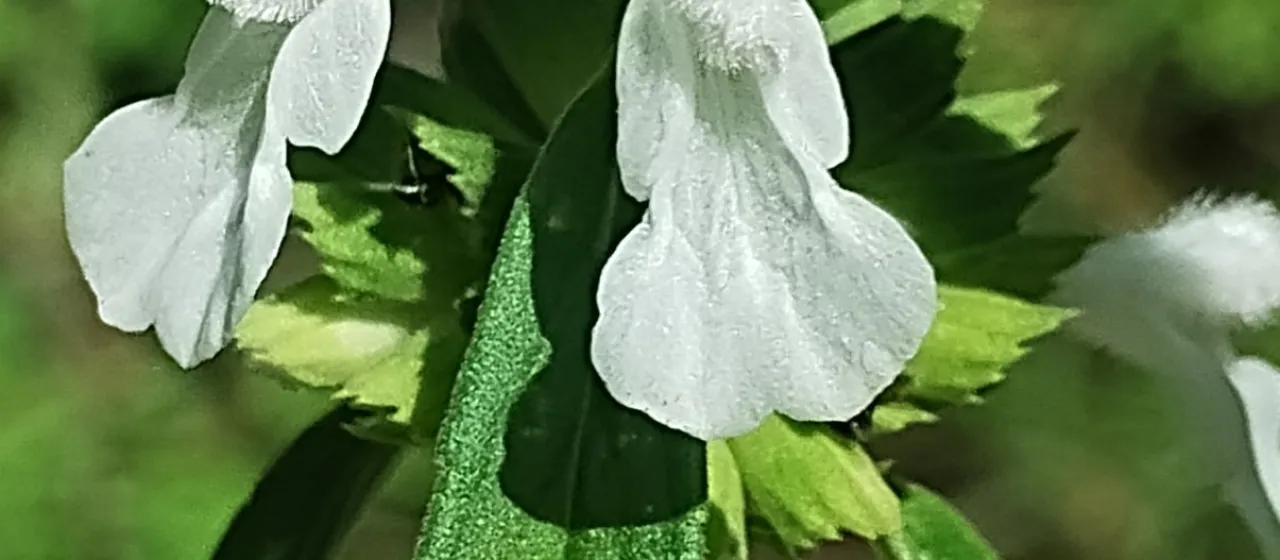
Botanically, it features erect, branched stems and narrow, lavender-like leaves, which are covered in fine hairs. The flowers are white, organized in dense axillary whorls. The root system is relatively shallow but fibrous, allowing the plant to rapidly capture moisture from the topsoil during the monsoon season.
In terms of cultivation, Leucas lavandulifolia requires well-draining, fertile loamy soil and exposure to full sun. While it is hardy in its native range, professional cultivation demands careful weed management during the seedling stage. Water availability should be consistent but not excessive to prevent root rot, which is the most common physiological challenge.
The primary economic value of this crop lies in its pharmacological properties. It is extensively used for its anti-inflammatory, antimicrobial, and insecticidal qualities. Modern agricultural research focuses on standardizing extraction methods for its essential oils, which show promise for use in organic pest control products and specialized cosmetic formulations.
- Thrives in high-humidity tropical climates.
- Contains high concentrations of essential oils.
- Responsive to balanced NPK fertilization.
- Susceptible to aphids and spider mites in dry conditions.