
Description
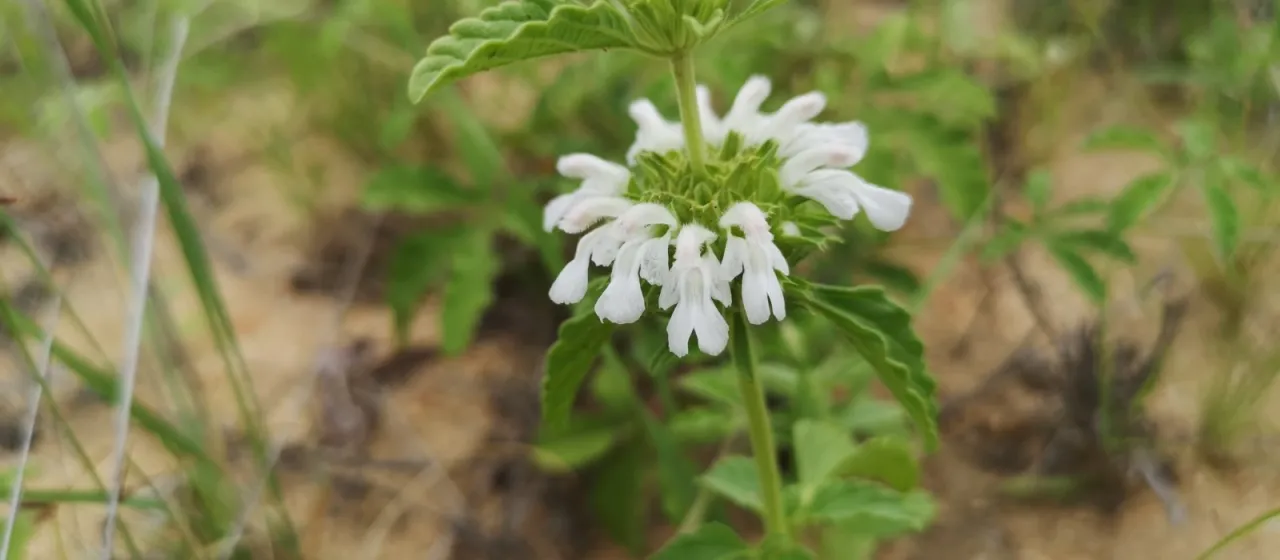
Leucas sexdentata is a herbaceous plant species belonging to the family Lamiaceae. Within the context of agricultural research, this species is noted for its botanical resilience and secondary metabolite production, which are characteristic of the broader Leucas genus. The plant is primarily studied for its potential in niche pharmaceutical and herbal production sectors.
Originating from regions within the African continent, Leucas sexdentata thrives in tropical and subtropical environments. Its natural distribution is linked to specific habitat types, ranging from savanna margins to disturbed grasslands. Successful introduction of this crop into cultivation requires mimicking these environmental conditions, particularly regarding heat accumulation and photoperiod requirements.
Botanically, the plant is recognized by its upright growth habit and distinct foliage morphology. The reproductive structures are arranged in verticillasters, with the calyx characterized by six distinct teeth, which provides the specific botanical identity for the species. The root system is generally fibrous, requiring a well-structured soil profile to reach optimal plant vigor and biomass accumulation.
Agronomic requirements center on soil texture and water management. The species performs best in well-drained, sandy-loam soils with a slightly acidic to neutral pH. Agricultural practices should focus on maintaining adequate aeration to prevent hypoxia in the root zone. Regular weeding is essential in the early stages of development, as the plant is sensitive to competition from aggressive pioneer weed species.
The хозяйственное (economic) utility of Leucas sexdentata lies in its essential oil profile and potential traditional medicinal applications. Typical pests include aphids and mites, which can cause significant damage to the leaf canopy if left unmanaged. Crop management includes the following strategies:
- Implementing systematic soil moisture monitoring.
- Using controlled fertilization to maximize secondary metabolite yield.
- Deploying integrated pest management (IPM) to address aphid infestations.
- Applying crop rotation cycles to minimize soil-borne pathogen risks.