
Description
Juniper-leaved pincushion moss (Leucobryum juniperoideum) is a perennial bryophyte belonging to the Leucobryaceae family. While not a conventional agricultural crop, it is a highly valued species in the horticultural industry, particularly for specialized terrarium setups, interior design, and decorative forest-themed landscapes.
Native to humid temperate regions, this species thrives in shaded, moist environments. Its natural habitat is typically found in woodland areas with acidic soil composition. For commercial cultivation, it requires controlled environments that replicate the high humidity and stable temperatures of its native forest ecosystem.
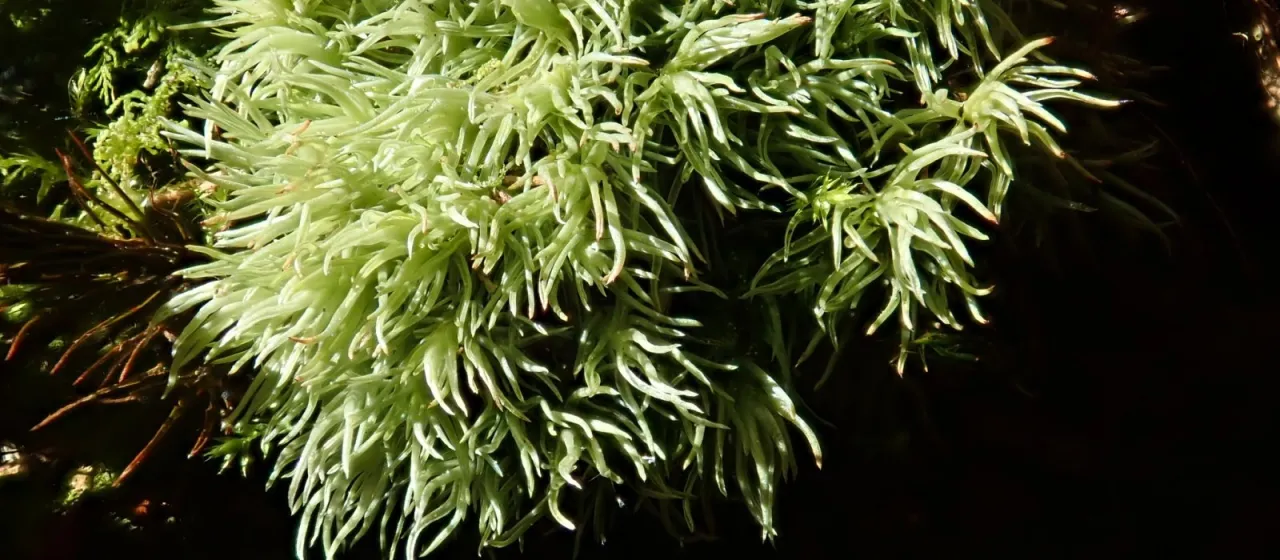
Botanically, this moss is distinguished by its dense, cushion-like growth habit. The leaves are slender and needle-like, which gives the plant a texture reminiscent of juniper needles, hence the specific name. The color varies significantly based on water content, shifting from deep emerald green to a pale, whitish-grey when the plant enters a dormant, dehydrated state.
Cultivation practices focus on maintaining substrate acidity, ideally within a pH range of 4.5 to 5.5. A mixture of peat moss and pine bark or needle litter provides the optimal medium. Water quality is crucial; growers should avoid tap water with high mineral content to prevent salt buildup, which can be detrimental to the moss's physiological health.
The primary economic and aesthetic uses of the species include:
- Developing lush, carpet-like ground covers in shade gardens.
- Designing bioactive terrariums and vivariums for amphibians and reptiles.
- Supplying material for the preserved or stabilized moss industry.
- Utility as a bioindicator for air quality and environmental health.
Regarding health management, the moss is prone to mold development if ventilation is insufficient. In outdoor setups, herbivores such as slugs and snails are the most common pests. Management strategies involve promoting airflow to keep the surface dry enough to inhibit fungal growth while maintaining soil moisture for physiological needs.