
Description
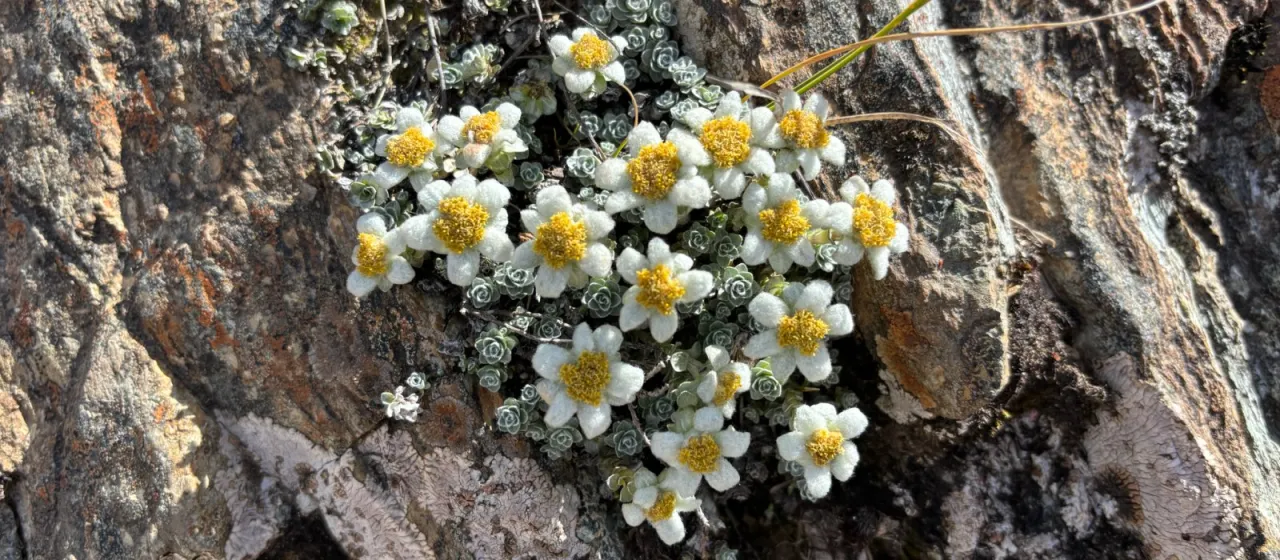
Leucogenes grandiceps is a perennial herbaceous plant belonging to the Asteraceae family. Often referred to as the South Island edelweiss, it is renowned for its distinctive silvery foliage and woolly texture. This plant is a highly prized species among alpine enthusiasts due to its striking appearance and its specialized adaptation to extreme environments.
The native range of this plant is restricted to the high-altitude alpine zones of the South Island of New Zealand. It thrives in harsh conditions, growing naturally on steep rocky outcrops, scree slopes, and ridges. In agricultural or horticultural settings, it is cultivated primarily in specialized botanical gardens or private rockeries that can replicate these demanding mountain conditions.
Botanically, the species is characterized by its compact, rosette-forming growth habit. The dense white hairs covering the leaves serve as an essential physiological mechanism for moisture retention and protection against high-altitude ultraviolet radiation and desiccation. The inflorescences are head-like clusters surrounded by white bracts, which mimic the structure of true edelweiss.
Cultivation requirements are strict, focusing primarily on excellent drainage and climate control. The soil must be poor, gritty, and lean, with a neutral to slightly acidic pH. Essential cultural practices include:
- Ensuring maximum sunlight exposure
- Avoiding any waterlogging of the root zone
- Providing good ventilation to prevent fungal issues
- Maintaining cool, temperate environments
The primary use of Leucogenes grandiceps is ornamental within specialized rock garden landscapes. The plant is prone to root rot if the drainage is insufficient, making it a challenging species for novice gardeners. Potential pests include aphids and spider mites, which can proliferate in sheltered conditions; therefore, maintaining optimal airflow and preventing stress during hot summer months is crucial for long-term health.