Leuzea rhapontica
Leuzea rhapontica (L.) Holub
Description
Leuzea rhapontica is a perennial herbaceous plant belonging to the Asteraceae family. It is recognized for its unique physiological properties, often studied in the context of botanical research and the pharmaceutical industry due to the presence of specific bioactive compounds within its root system.
The plant originates from the mountainous regions of Central and Southern Europe, particularly the Alps and Pyrenees. Its native habitat includes subalpine meadows and scree slopes, which determines its requirement for cool, stable climates. While it is not a widespread commercial crop, its cultivation is of interest for specialty medicinal production.
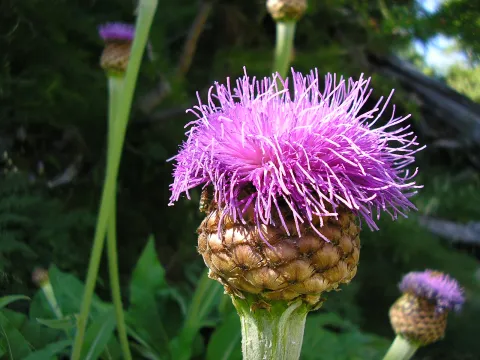
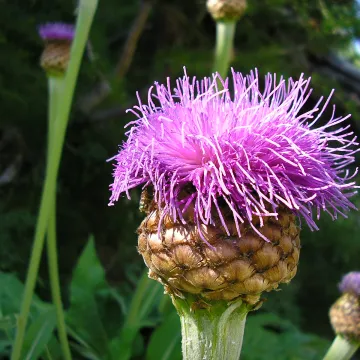
Botanically, it features a robust rootstock and large, deeply lobed leaves arranged in a basal rosette. The inflorescences are characterized by large, showy, thistle-like purple flower heads. It is a slow-growing plant that typically completes its full vegetative cycle over several years, requiring patience from growers during the establishment phase.
In terms of agricultural requirements, Leuzea rhapontica demands well-drained, nutrient-rich soils with moderate moisture levels. It does not thrive in waterlogged conditions, making effective soil drainage essential for successful cultivation. It prefers areas with indirect light or partial shade, mimicking the ecological niches found in its mountain home.
The primary use of the plant is in the development of adaptogenic supplements and traditional medicinal preparations. Producers must be vigilant against root-rot diseases, which are common if soil aeration is poor. Pest management typically involves integrated methods to control aphids and spider mites, ensuring the health of the leaves for optimal harvesting of biomass.
- High concentration of specialized phytochemicals.
- Prefers cool and temperate growing conditions.
- Requires well-aerated and fertile substrate.
- Long-term crop cycle requires specialized management.
Photo gallery