
Description
Bitterroot (Lewisia rediviva) is a perennial succulent plant native to the western regions of North America, belonging to the Montiaceae family. It is widely recognized for its high capacity to survive extreme dehydration, often appearing dead during summer droughts only to revive once moisture returns. This resilience makes it a prized subject for alpine gardeners and rock enthusiasts.
The plant originates from the mountainous terrains of the Pacific Northwest and the Intermountain West. Historically, the plant was a vital food source for Indigenous peoples of the Great Basin, as its roots are rich in starch. Today, however, it is cultivated globally for its aesthetic appeal, particularly for its ability to produce striking floral displays in relatively barren landscapes.
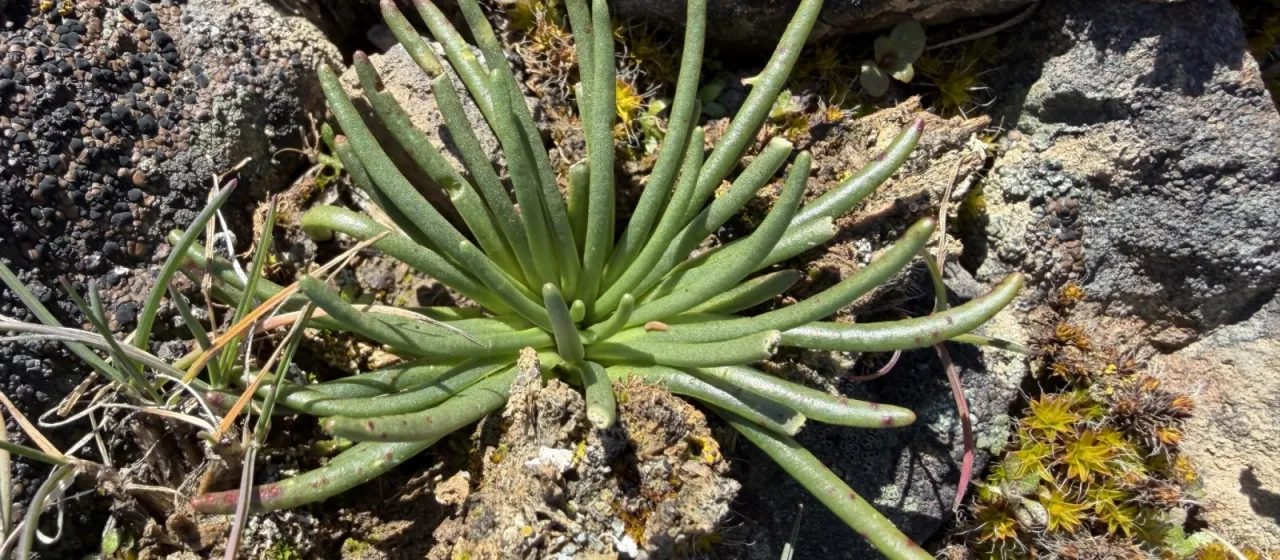
Botanically, Lewisia rediviva is defined by its fleshy, basal leaves that form a low-lying rosette. During the flowering period, which usually spans from April to July, the plant produces large, stemless or short-stemmed flowers that can range from deep pink to white. The plant relies on a substantial taproot that allows it to survive in soil with extremely limited organic matter.
To cultivate Bitterroot successfully, one must replicate its natural habitat: perfect drainage is non-negotiable. It thrives in gritty, mineral-rich soils that do not hold excess water. It requires full sun exposure during the growing season. If planted in containers, specialized alpine soil mixes are highly recommended to ensure oxygen reaches the roots and to prevent compaction.
Maintenance and protection are focused on managing moisture and monitoring for pests. The primary threat to Lewisia rediviva is root rot caused by stagnant water, especially during winter months when the plant is dormant. Growers should avoid overhead watering. Common garden pests, such as snails and slugs, can cause significant damage to the foliage and should be monitored closely during the spring growth flush.