
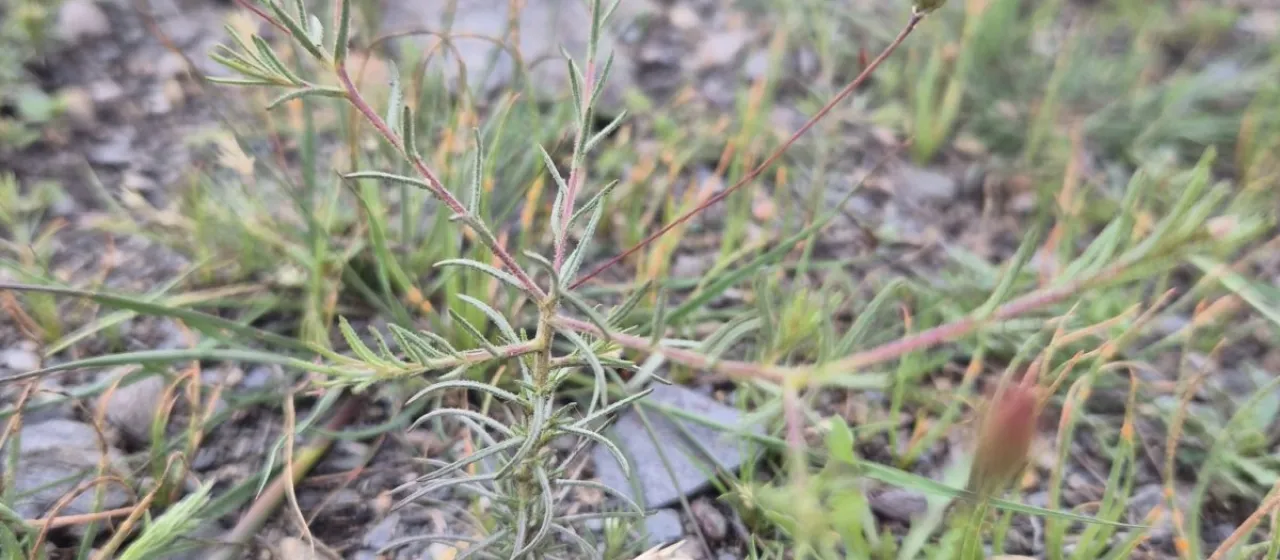
Description
Leysera leyseroides is a flowering plant belonging to the Asteraceae family. As an agricultural and botanical object, it is highly regarded for its exceptional xerophytic traits, which allow it to thrive in extremely arid environments where common crops would perish due to water stress.
The plant originates from the arid regions of Southern Africa. Its natural range is concentrated in semi-desert landscapes, where the climate is characterized by low annual precipitation and high temperatures. This evolutionary background has equipped the plant with specialized survival mechanisms essential for successful growth in nutrient-poor, sandy soils.
Botanically, Leysera leyseroides is characterized by its narrow, often pubescent leaves that significantly reduce transpirational water loss. The plant produces small, distinct composite flower heads typical of the daisy family. Its root system is exceptionally deep, designed to explore moisture reservoirs deep within the soil profile during prolonged dry spells.
To successfully cultivate this species, one must mimic its natural habitat. Requirements include full solar exposure and a very high degree of soil drainage. Heavy soils must be amended with gravel or sand to prevent root rot. Agronomic practices focus on maintaining low moisture levels, as the plant is not suited for high-humidity environments or intensive irrigation regimes.
Key areas of хозяйственное (economic) utilization include:
- Utilization in the restoration of degraded arid lands and desertification control.
- Ornamental use in xeriscaping, requiring minimal water inputs.
- Scientific investigation into its secondary metabolites for pharmaceutical and natural product development.
Common diseases affecting the plant are generally restricted to fungal root rots induced by excessive water retention in the growth medium. Pest pressure is remarkably low due to the presence of natural chemical compounds within the foliage that deter many typical herbivores, meaning that large-scale chemical pesticide applications are rarely required for this culture.