
Description
Oiticica (Licania rigida Benth.) is a robust perennial tree belonging to the Chrysobalanaceae family. Native to the semiarid regions of northeastern Brazil, this species is highly valued for its dense, oily seeds which produce the commercially significant oiticica oil used globally in industrial applications.
The geographic distribution of Licania rigida is primarily concentrated in the Caatinga biome, where the tree thrives in seasonal riverbeds. This species is remarkably well-adapted to environments characterized by long periods of drought, developing deep taproots that allow it to access water reserves far below the soil surface during the harsh dry season.
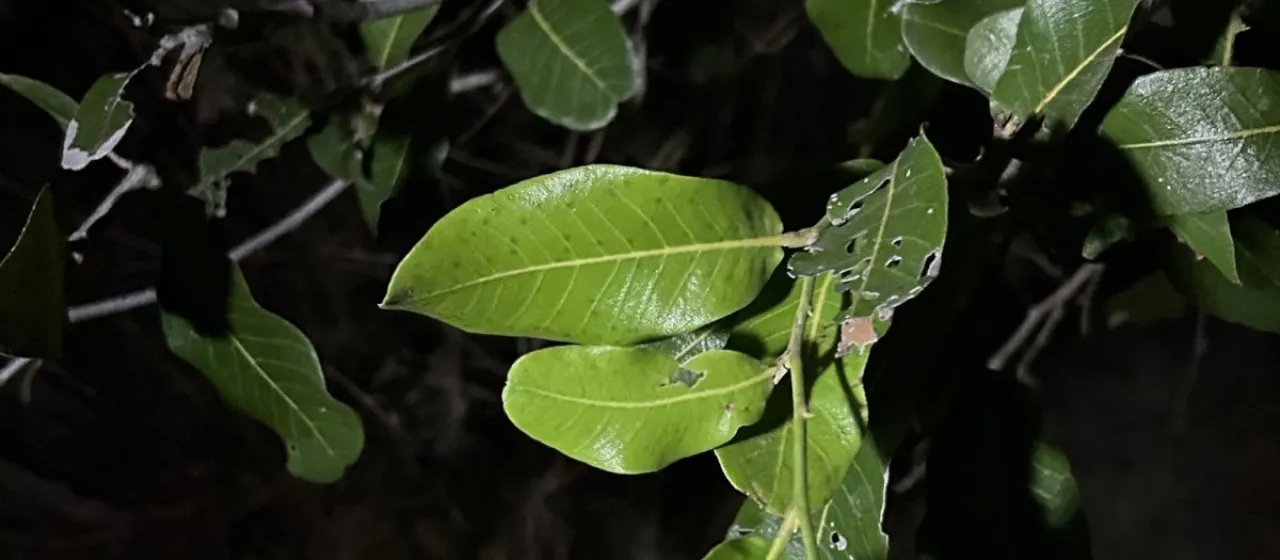
Botanically, Oiticica trees can grow up to 20 meters in height, displaying a spreading canopy with tough, leathery foliage that helps minimize water loss. The tree bears drupe-like fruits containing seeds rich in lipids. The chemical composition of the oil extracted from these seeds is unique, primarily due to the presence of eleostearic acid, which promotes rapid drying and polymerization.
Regarding agronomic requirements, the tree prefers alluvial soils that provide both high fertility and excellent drainage. While it is naturally drought-tolerant, commercial cultivation relies on appropriate spacing to prevent competition and the management of natural pollinators to ensure fruit set. The tree is generally resilient, though young saplings require protection from excessive weeds and soil compaction.
The primary economic use for Licania rigida is the production of oiticica oil. This oil is a vital additive in the paint and varnish industry, valued for its ability to create durable, water-resistant, and chemically stable coatings. Beyond its industrial utility, the tree also provides shade and wind protection in agroforestry systems, contributing to the stability of the local agricultural landscape.
- High drought resistance in semiarid climates.
- Production of high-quality drying oil.
- Valuable industrial raw material for paints.
- Important ecological role in Brazilian biomes.