Fischer's ligularia
Ligularia fischeri Turcz.
Description
Fischer's ligularia (Latin: Ligularia fischeri) is a prominent herbaceous perennial plant belonging to the Asteraceae family. Known for its imposing stature and architectural foliage, this species is widely utilized in both ornamental landscaping and regional agricultural practices in East Asia.
The plant is native to the regions of the Russian Far East, Sakhalin, Japan, Korea, and China. It typically thrives in moist, temperate habitats such as riverbanks, damp meadows, and forest clearings. These environmental origins highlight the plant's natural preference for rich, moist soil and sheltered locations away from intense, direct sunlight.
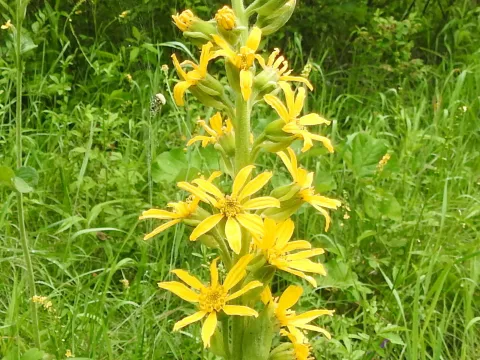
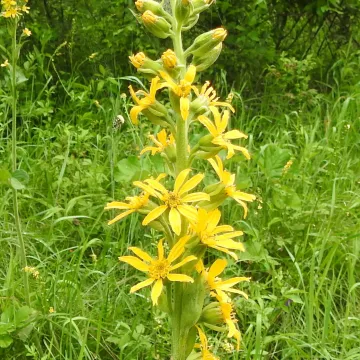
Botanically, Ligularia fischeri is characterized by large, heart-shaped basal leaves forming dense clumps. During the summer, it produces tall, erect stems topped with racemes of bright yellow, daisy-like flower heads. The root system is robust and fibrous, allowing the plant to persist for many years in suitable growing conditions.
In terms of agricultural management, success with this species depends on maintaining consistent soil moisture. It performs best in fertile, humus-rich soil that retains water well. While it is a shade-tolerant plant, providing enough light for flowering is essential. Regular irrigation during dry spells is mandatory to prevent leaf scorch and maintain plant vigor.
Economically, Fischer's ligularia is recognized not only as an ornamental plant but also as a food source in specific culinary traditions where young leaves are prepared as vegetables. Furthermore, in herbal medicine, certain parts of the plant have been utilized for their bioactive compounds, though cultivation primarily remains focused on its visual appeal in garden settings.
Common plant health challenges include infestation by mollusks such as slugs and snails, which can cause significant damage to the soft foliage. Pathogens such as powdery mildew or various rot-causing fungi may occur if the plant is grown in poorly drained soil or overcrowded conditions. Proper spacing and good air circulation are key to effective disease control.
Photo gallery