
Description
Ligusticum lucidum is a perennial herbaceous plant belonging to the Apiaceae family. Known for its distinct chemical profile, this species is increasingly recognized for its medicinal potential and unique biological characteristics. The plant features a robust architecture and is valued in niche agricultural sectors for its phytochemical compounds, which are extracted for pharmaceutical use.
The plant originates from the mountainous regions of Europe. Its distribution area primarily covers high-altitude environments with cool, temperate climates. As a crop, it thrives in regions that offer cool summers and well-drained, nutrient-rich soil. It is well-adapted to semi-shaded conditions, which helps in maintaining the moisture levels required for optimal root development.
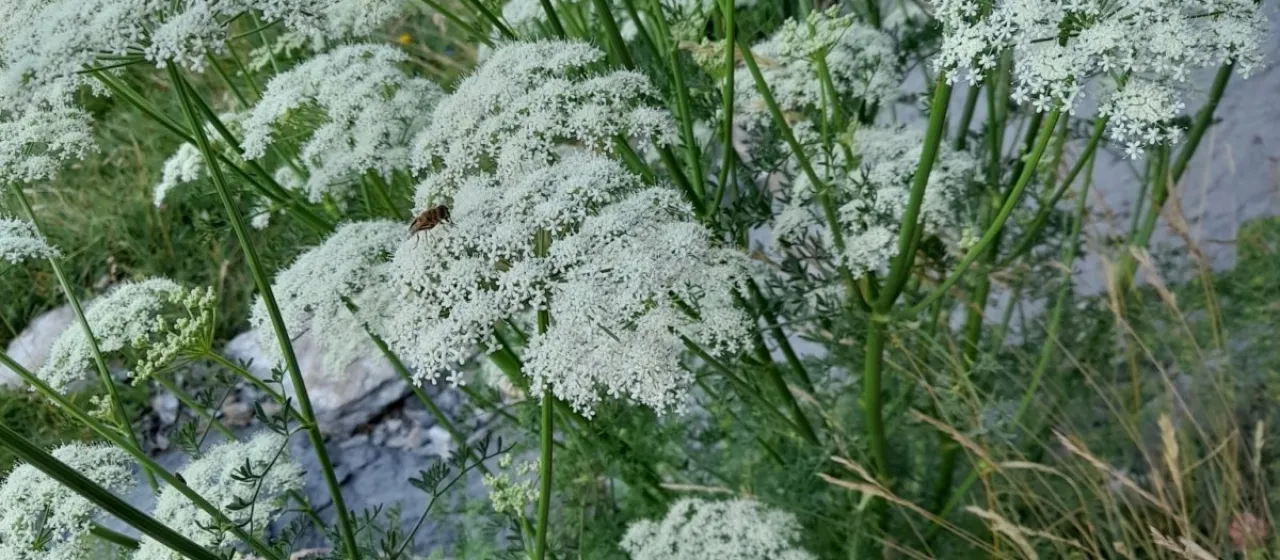
Botanically, Ligusticum lucidum is characterized by its glossy, pinnate foliage and a strong rhizomatous root system. The plant develops tall, branching stems that culminate in complex umbels of white to off-white flowers. This morphology not only contributes to its medicinal value but also makes it a striking addition to specialized landscape cultivation.
Agricultural requirements focus on soil management and irrigation precision. Successful cultivation relies on:
- Maintaining soil pH between 6.0 and 7.0 for nutrient availability.
- Implementing consistent irrigation to prevent soil from drying out completely.
- Applying organic compost to support the development of the rhizome.
Common agricultural challenges include susceptibility to fungal infections such as root rot, especially in poorly drained soils. Pests such as aphids and specialized coleoptera can also impact yield quality. Proactive pest management, including natural biological controls and careful field monitoring, is essential for maintaining crop health throughout the growing season.