
Description
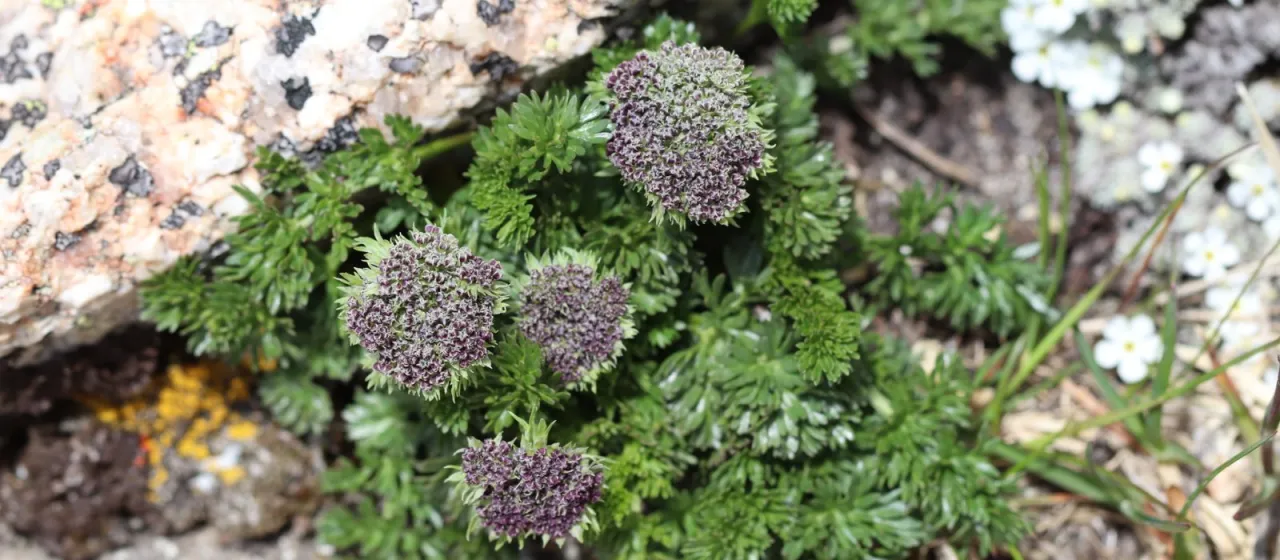
Alpine lovage (Ligusticum mutellinoides) is a perennial herbaceous plant belonging to the Apiaceae family. It is a specialized crop often associated with mountainous regions, valued for its hardiness and unique phytochemical profile typical of alpine flora.
The native range of this species extends throughout the high-altitude zones of European mountain ranges, including the Alps. It thrives in rocky, nutrient-poor substrates, reflecting its evolutionary adaptation to the harsh, high-UV, and temperature-volatile environments of its natural habitat.
Botanically, the plant features a basal rosette of finely divided leaves and produces small, umbellate clusters of white or pinkish flowers during its peak growth phase. The root system is deep and fleshy, functioning as an organ for nutrient storage, which allows the plant to survive extreme winter conditions.
Agricultural requirements necessitate well-draining, slightly acidic soil with high mineral content and minimal organic fertilizer application. Cultivation success depends heavily on mimicking alpine conditions, which includes ensuring sufficient sunlight and preventing root moisture saturation during the dormant season.
The crop is primarily utilized for its aromatic and medicinal properties, often harvested for the production of essential oils or traditional herbal preparations. While relatively resistant to pests, growers should monitor for root rot and moisture-related fungal pathogens. Typical maintenance involves annual cleaning of dead foliage and maintaining the integrity of the soil structure to ensure optimal aeration.