
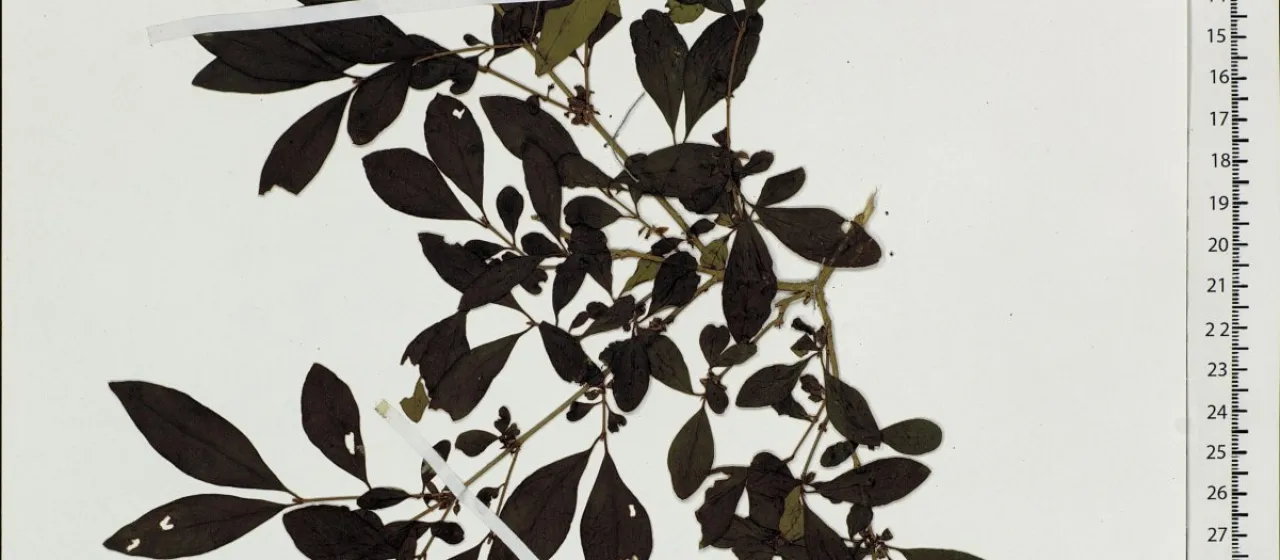
Description
Tschonoski privet (Ligustrum tschonoskii) is a deciduous or semi-evergreen shrub belonging to the Oleaceae family. It is widely recognized in horticultural circles for its dense, upright growth habit and excellent tolerance to repeated pruning, making it a staple in landscape architecture.
Originating from East Asia, specifically Japan, this species has adapted well to various temperate climates across the globe. Its natural habitat is characterized by moist but well-drained woodlands, which informs its requirements when cultivated in garden settings or commercial nurseries.
The botanical profile of the plant includes simple, opposite leaves and panicles of small, white, fragrant flowers that appear in early summer. These flowers are followed by small, blackish berries that provide winter interest and a food source for local wildlife, contributing to its ecological value.
To ensure optimal growth, the species requires fertile, well-draining soil and a position in full sun to partial shade. Proper maintenance involves regular watering during the establishment phase, annual pruning to maintain the desired shape or hedge density, and the application of balanced fertilizers in the spring to promote vigorous development.
Economic and landscape uses include:
- Establishment of dense, formal hedges and privacy screens.
- Use as a specimen plant for topiary work.
- Soil stabilization on embankments.
- Urban landscaping in parks and public green spaces.
Regarding pest and disease management, the plant is generally robust but may occasionally suffer from aphids or scale insects. Fungal issues like powdery mildew can occur in overly humid, poorly ventilated areas. Routine inspections and good horticultural practices are usually sufficient to maintain a healthy and vigorous specimen.