
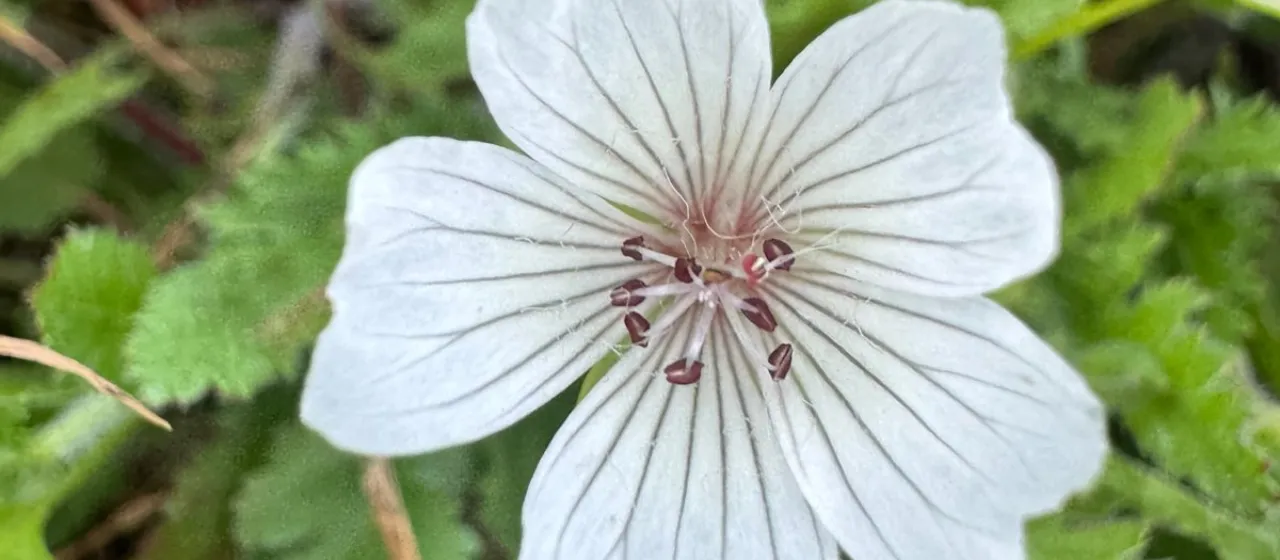
Description
Limnanthes douglasii, commonly known as meadowfoam, is an annual herbaceous plant belonging to the Limnanthaceae family. In agriculture, this species is primarily valued as an oilseed crop because its seeds produce a unique fatty oil that is exceptionally stable and chemically similar to jojoba oil, making it highly sought after for industrial applications.
Native to the western regions of North America, particularly California and Oregon, Limnanthes douglasii typically thrives in moist, open environments. Its cultivation is concentrated in temperate climate zones where the plants can utilize the spring moisture to complete their rapid growth cycle before the onset of summer heat.
Botanically, the plant is characterized by its low-growing stature, pinnately divided leaves, and distinct cup-shaped flowers with white petals and a bright yellow center. The root system is relatively shallow, which mandates a consistent moisture supply, yet the plant is robust enough to withstand the cool, damp conditions characteristic of early spring.
Agricultural success depends on providing fertile, well-drained soil. While the crop naturally grows in areas with abundant moisture, waterlogged soils must be avoided during industrial cultivation to prevent root rot. Proper sowing density is crucial to ensure good ground cover, which effectively suppresses competing weeds during the crop's establishment phase.
The primary economic value lies in the oil extracted from the seeds, which is widely used in the cosmetics industry for its moisturizing properties and stability against oxidation. Furthermore, the crop serves as an excellent nectar source, making it valuable for local apiaries. Growers should remain vigilant against aphid infestations and fungal pathogens, which can occur if field conditions are too humid or poorly ventilated.