
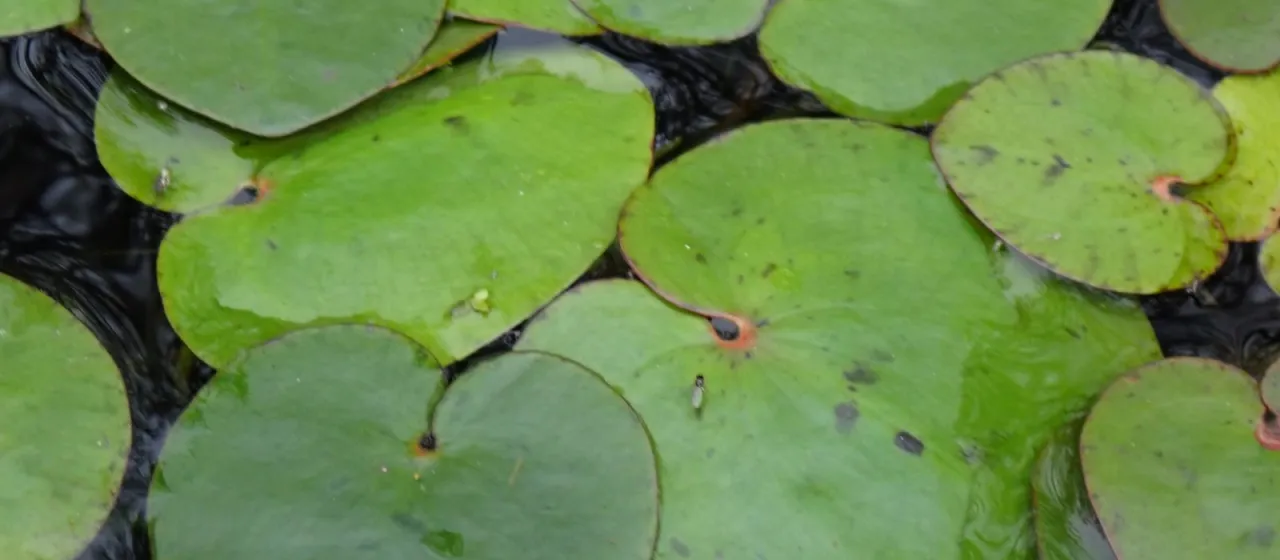
Description
Limnobium spongia, commonly known as the American spongeplant, is a perennial aquatic plant belonging to the Hydrocharitaceae family. This species is distinguished by its floating habit and unique structural adaptations that allow it to thrive in nutrient-rich, stagnant or slow-moving freshwater environments throughout its native range.
The plant originates from the coastal regions of the United States, extending across various wetlands and river basins. Its natural habitat includes marshes, ponds, and swamps where water levels remain relatively consistent. Due to its tropical origins, the species is highly sensitive to cold climates, making greenhouse or indoor cultivation essential in non-tropical regions.
Botanically, Limnobium spongia produces a rosette of leaves with a distinct, thick, spongy undersurface filled with air chambers, which acts as a buoyancy organ. The root system consists of long, feather-like roots that hang into the water column. These roots are exceptionally efficient at absorbing inorganic nutrients, nitrates, and phosphates, making the plant a valuable tool for water quality management.
Regarding agrotechnical requirements, the spongeplant demands high levels of light intensity to maintain compact growth and healthy tissue development. Water temperature should remain consistently between 20°C and 28°C. Proper nutrient management is crucial; in aquaculture systems, the plant serves as a biological sink, reducing the necessity for mechanical filtration and chemical additives.
The economic and practical utilization of the American spongeplant includes several key areas:
- Use as a bio-filter in closed-loop aquaculture systems to reduce nitrogen pollution.
- Ornamental planting for private ponds and water gardens.
- Phytoremediation of contaminated water bodies in controlled environments.
- Sustainable biomass production for aquarium trade markets.
In terms of plant health, Limnobium spongia is susceptible to chlorosis if essential trace minerals such as iron are lacking. Common pests include aphids and mites, which can infest the aerial parts of the rosettes, particularly in greenhouse conditions. Managing plant density is essential, as overcrowding can restrict light penetration and air circulation, leading to potential fungal outbreaks or tissue decay.