
Description
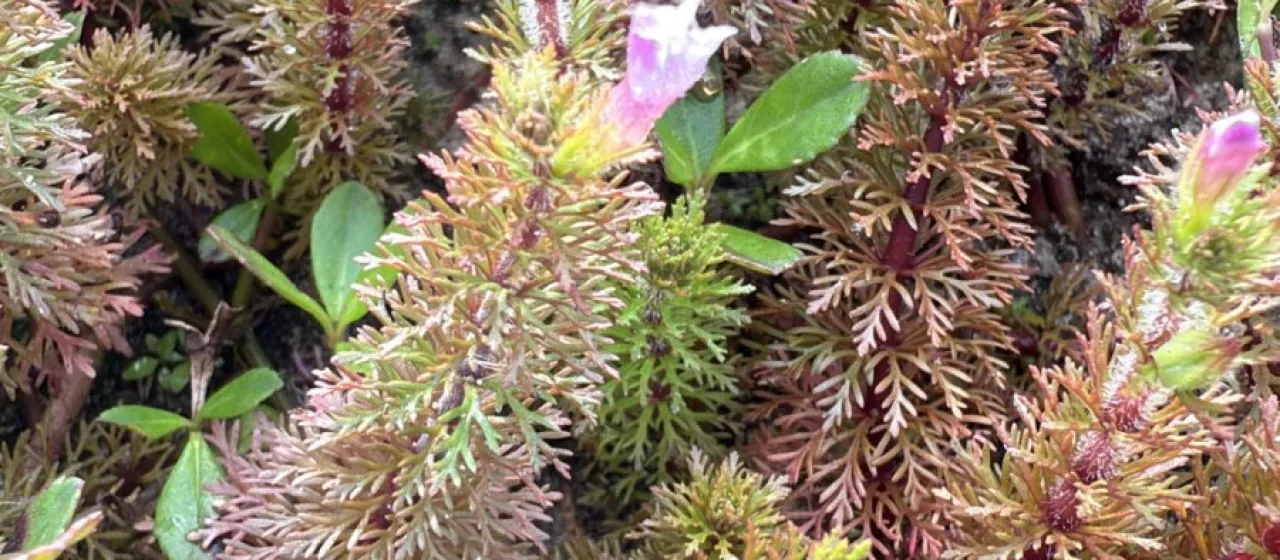
Limnophila sessiliflora, commonly known as Ambulia, is a fast-growing aquatic plant belonging to the Plantaginaceae family. While it is not a traditional field crop, it is a significant species in the horticultural industry, particularly within the ornamental aquatic plant trade.
The native distribution of this species spans across Southeast Asia, India, and parts of East Asia. It naturally thrives in diverse aquatic environments, ranging from flowing streams and riverbanks to stagnant ponds and flooded rice fields, where it shows a remarkable adaptability to different water chemistry.
Botanically, the plant is characterized by its bright green, finely divided, whorled leaves that create a feathery, dense appearance. Under high-intensity lighting conditions, the plant may exhibit reddish or purple hues at the tips, which is a desirable trait for aquascaping and display horticulture.
Cultivation requirements demand careful management of the aquatic environment. The plant thrives in temperatures between 22–28°C and prefers slightly acidic to neutral water. Unlike land crops, it relies heavily on nutrient absorption through its foliage, making it highly responsive to CO2 fertilization and liquid micro-nutrient supplementation.
Management of the crop requires routine pruning to maintain density and prevent leggy growth. The main pathological concerns include algal growth on the leaves due to nutrient imbalances and susceptibility to heavy metal toxicity in the water column. When managed correctly, it serves as an excellent oxygenator and biological filter in aquatic systems.