
Description
Limnosciadium pinnatum is a herbaceous perennial plant belonging to the Apiaceae (carrot or parsley) family. In agricultural and botanical contexts, this species is recognized for its unique adaptation to wetland environments, thriving in soil conditions that are frequently saturated or inundated with water.
The native range of Limnosciadium pinnatum is centered in North America, specifically in states like Texas and Louisiana. It typically grows in river floodplains, wet prairies, and marshy habitats. While not a conventional staple crop, it is of increasing interest for wetland restoration projects, niche aquatic gardening, and specific environmental management applications where soil stability and moisture retention are priorities.
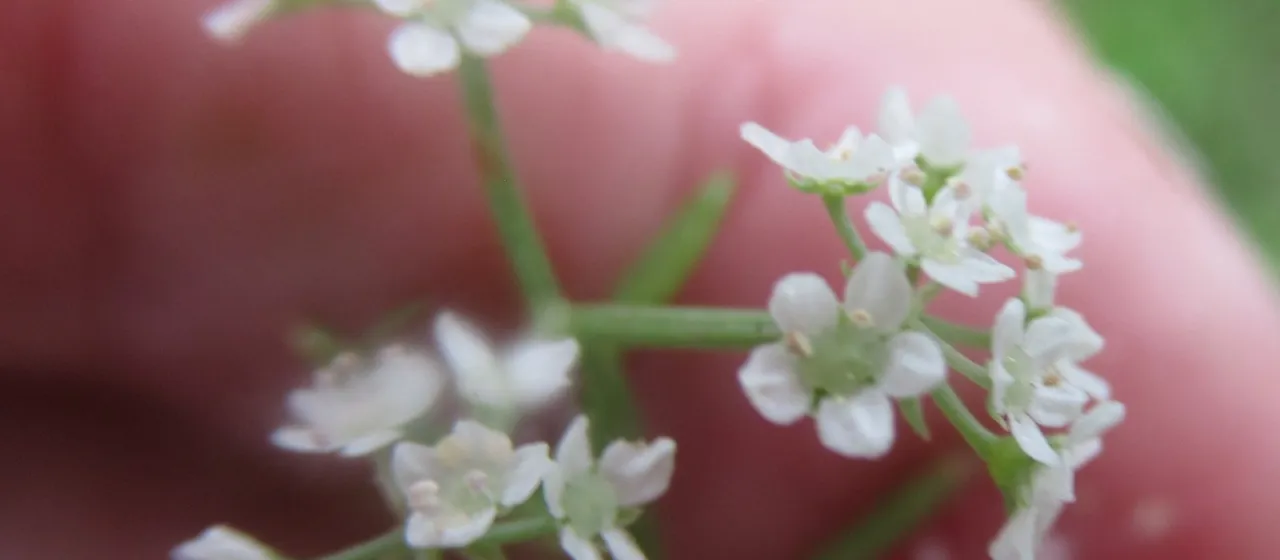
Botanically, the plant is characterized by its pinnately compound leaves, from which it derives its specific epithet. The stems are upright and often hollow, providing structural support while allowing the plant to withstand seasonal flooding. Its inflorescences are typical of the Apiaceae family, featuring compound umbels with small, white to greenish-white flowers that emerge during the peak growing season.
Agronomic requirements focus on maintaining high soil moisture levels. The plant performs best in heavy, silty, or clay-rich soils high in organic matter. Proper management requires ensuring that the root zone does not dry out significantly during the growth cycle. Unlike standard upland crops, Limnosciadium pinnatum does not require drainage systems; rather, it thrives in environments that would be detrimental to traditional row crops.
The economic and practical utility of this species includes several key areas:
- Bioremediation and purification of shallow water channels.
- Restoration of natural marshland ecosystems.
- Use in ornamental aquatic landscaping for water-heavy areas.
Regarding health management, the plant is susceptible to fungal pathogens common to aquatic environments, especially during periods of stagnant water and high heat. Pest management typically involves monitoring for aphids and specific lepidopteran larvae that target umbrella-family plants. Regular inspection and maintaining the correct hydro-balance are the primary strategies for preventing disease outbreaks in a controlled cultivation setting.