
Description
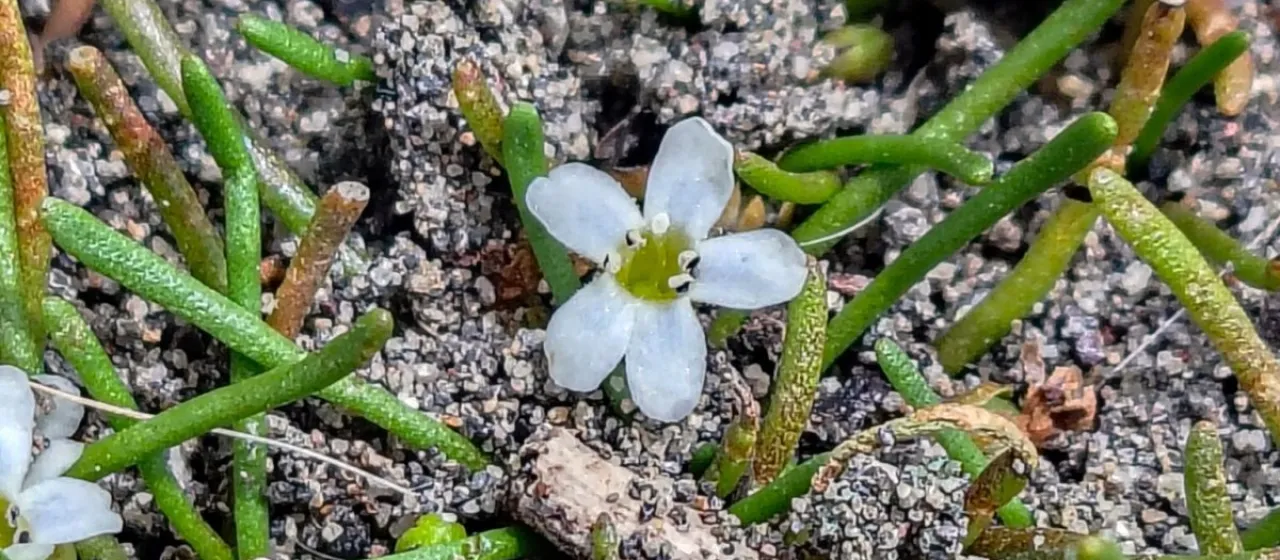
Southern mudwort (Limosella australis) is an herbaceous perennial plant belonging to the Scrophulariaceae family. While not a conventional field crop, it serves a specialized role in agricultural ecology, particularly in managing riparian zones and artificial wetland filters.
The species originates from temperate and subtropical regions, with a significant presence in Australia and North America. It is typically found in habitats such as mudflats, shallow pond margins, and seasonally flooded depressions. Its natural range is defined by its ability to thrive in fluctuating water levels.
Botanically, Limosella australis is characterized by its small, rosette-forming leaves and its creeping stoloniferous growth habit. These features allow it to quickly cover bare, moist ground, effectively acting as a soil stabilizer. Its diminutive white or pinkish flowers emerge during the growing season, facilitating both seed production and vegetative expansion.
Agrotechnically, this plant requires high irradiance and moisture-retentive, silty, or sandy soils. It is sensitive to competition from aggressive weeds and shade-casting plants, necessitating regular management of the surrounding area to ensure optimal establishment. It prefers neutral to slightly acidic pH levels to maintain healthy foliage.
Economic and environmental applications include:
- Utilizing the plant in bio-filtration systems for agricultural runoff.
- Erosion control on the banks of irrigation ponds and drainage ditches.
- Enhancing biodiversity in integrated farm management programs.
Pathogens impacting the crop are primarily fungal, often stemming from poor water circulation and excessive organic buildup. Common pests include various aquatic insects and mollusks that feed on tender plant tissues. Maintenance involves monitoring water quality and managing water levels to avoid prolonged stagnation, which can favor disease outbreaks.