
Description
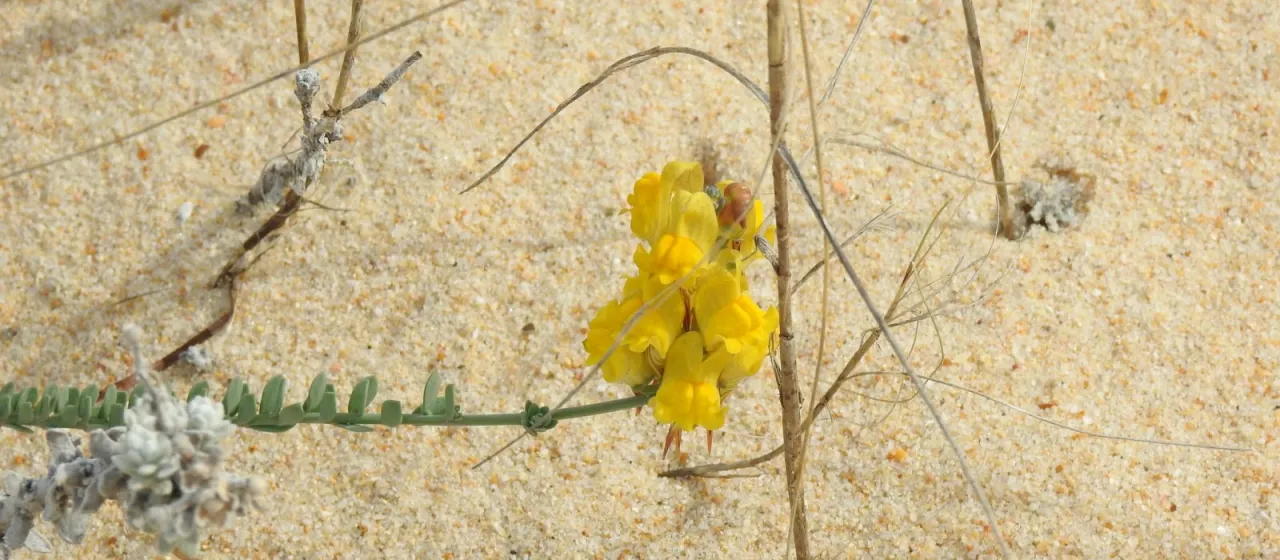
Lamarck's toadflax (Linaria lamarckii) is a perennial herbaceous plant belonging to the Plantaginaceae family. Originally native to Mediterranean environments, this species has evolved to thrive in specialized niches characterized by rocky or sandy terrain. Its agronomic profile highlights its resilience and adaptability to challenging soil conditions.
Botanically, the plant is recognized by its narrow, linear leaves and distinct spurred flowers that resemble those of the snapdragon. The stems are typically erect and branched, allowing the plant to form dense, attractive clusters. This morphology is an evolutionary strategy to optimize gas exchange and structural integrity in wind-exposed, sparse vegetation areas.
Regarding climate and soil, Linaria lamarckii prefers full sun exposure and requires well-draining soil. It is highly intolerant of waterlogged conditions, which can lead to rapid root rot. The ideal growing medium is sandy or gritty, mimicking its natural habitat, which ensures sufficient aeration for the root system during the dormant and active growing seasons.
Agricultural practices for this species focus on low-maintenance strategies. Early-stage weed control is essential to prevent competition for resources, but once established, the plant shows strong competitive ability. Irrigation should be carefully managed, prioritizing root zone moisture without causing surface saturation. The plant is generally drought-tolerant once mature.
The primary use of Linaria lamarckii is in ornamental gardening and the restoration of stony landscape areas. It is valued for its hardiness and ability to bloom in poor soils. Common plant health issues include powdery mildew and root diseases if drainage is insufficient, while pest control often targets aphids and spider mites that may affect young vegetative growth.