
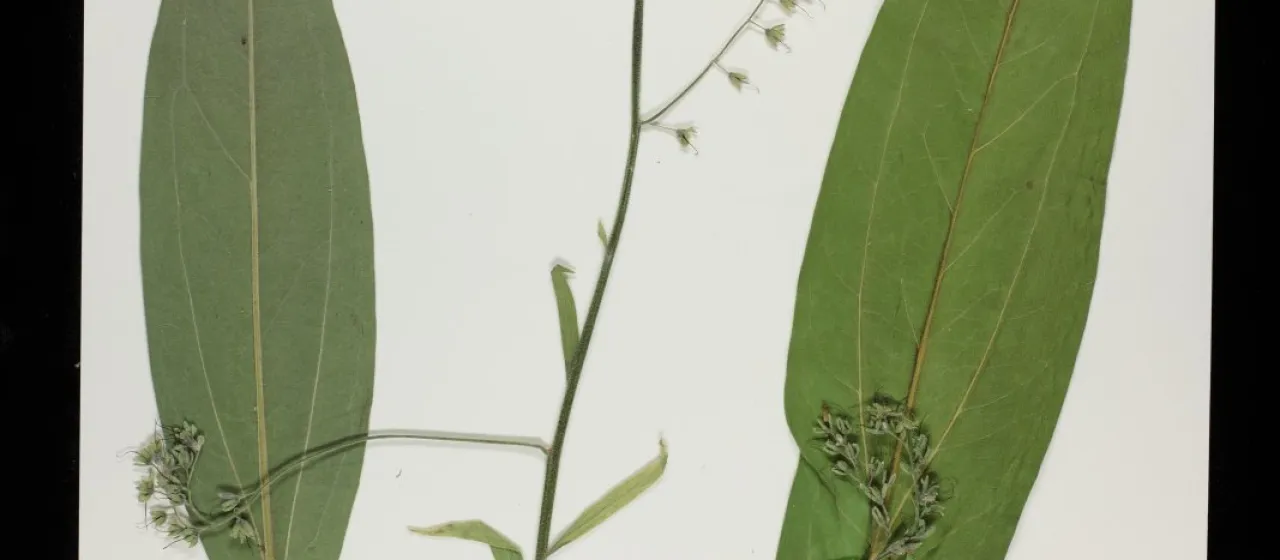
Description
Lindelofia longiflora is a perennial herbaceous plant belonging to the Boraginaceae family. It is recognized by botanists and horticulturists for its distinctive aesthetic appeal and its structural suitability for rock gardens and alpine-style landscaping, where it serves as a unique biological specimen.
Originating from the high-altitude regions of Central Asia and the Himalayas, the plant has evolved to thrive in challenging mountainous environments. This evolutionary history has endowed it with remarkable resilience, allowing it to withstand the rigorous conditions found in its native alpine meadows and rocky terrain.
Botanically, it is distinguished by a strong root system and erect stems typically growing up to 60 centimeters. Its foliage is characterized by fine pubescence, a physiological adaptation designed to minimize transpiration in arid, high-altitude conditions. The flowers form dense, showy clusters, exhibiting the intense blue-to-violet hues typical of the family, with a notable elongated tubular morphology.
Successful cultivation requires strict adherence to soil and moisture management. The species demands exceptionally well-drained substrate; it is highly susceptible to root rot if water stagnation occurs. Ideally, it should be planted in a gritty or sandy medium that mimics the rocky scree of its natural habitat. Sunlight exposure should be ample, although it may benefit from light shading in climates with intense mid-day heat.
In terms of usage, it is primarily categorized as an ornamental perennial suited for specialized garden settings. To maintain plant health, it is essential to monitor for fungal pathogens, particularly root-zone diseases exacerbated by excessive humidity. Routine maintenance involves keeping the area free of excess moisture and ensuring proper soil aeration, which is vital for the longevity of the plant.