
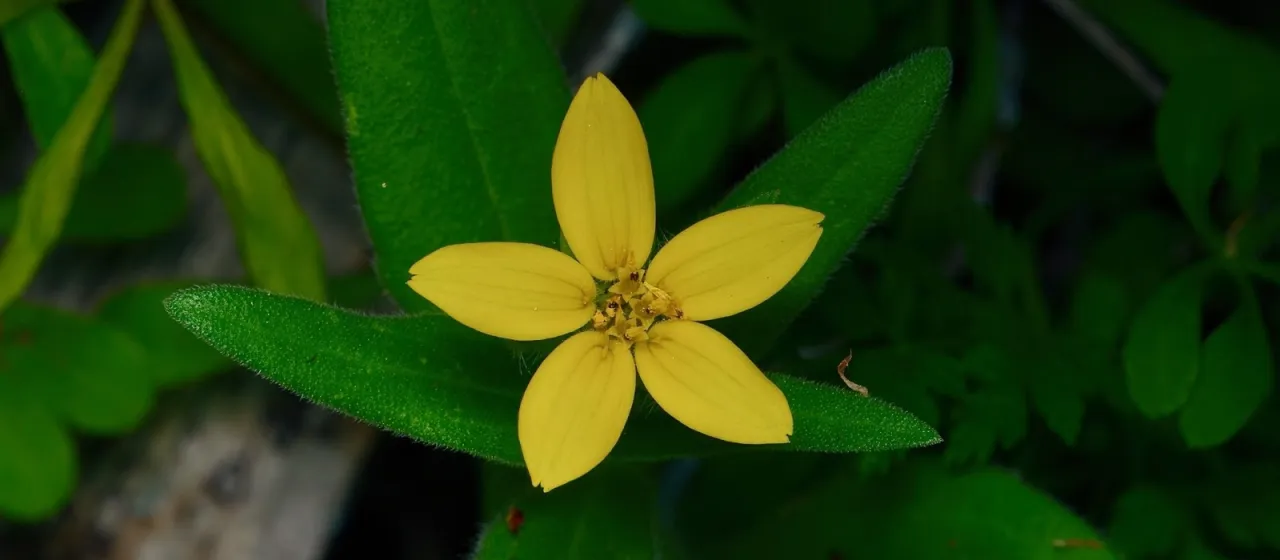
Description
Texas star (Lindheimera texana) is an annual herbaceous plant belonging to the Asteraceae family. It is the sole species in its genus, making it a unique botanical specimen native to the arid and semi-arid regions of North America. The plant is well-regarded for its resilience and bright yellow blooms that define the aesthetic of Texas landscapes.
The plant originates from the southern United States, specifically central and southern Texas, extending into northern Mexico. Its natural habitat includes rocky limestone hills, open prairies, and roadsides where it competes successfully for light and resources. In agricultural and horticultural contexts, it is increasingly used in xeriscaping.
Botanically, it features a slender, branching stem reaching heights of about 1.5 to 2 feet. The leaves are alternate and often sessile, contributing to its drought-tolerant physiology. The inflorescence consists of daisy-like yellow flower heads that bloom in the spring, typically from March to May, depending on local rainfall and temperature patterns.
Cultural requirements emphasize full sun exposure and excellent soil drainage. It thrives in various soil types, including sandy, loamy, and rocky soils, provided they are not excessively moisture-retentive. Minimal fertilization is required as the species is adapted to nutrient-poor soils. It is highly drought-tolerant once established and generally requires no supplementary irrigation.
- Requires full sun for optimal flowering.
- Prefers well-drained, alkaline to neutral soils.
- Excellent for attracting native pollinators.
- Self-seeds easily in favorable garden conditions.
The primary economic use is within the ornamental sector and habitat restoration projects. Because it supports diverse insect populations, including bees and butterflies, it is a staple in pollinator-friendly gardens. While generally robust, gardeners should be aware that excessive moisture can lead to root pathogens, so site selection with proper drainage is the most critical factor for success.