
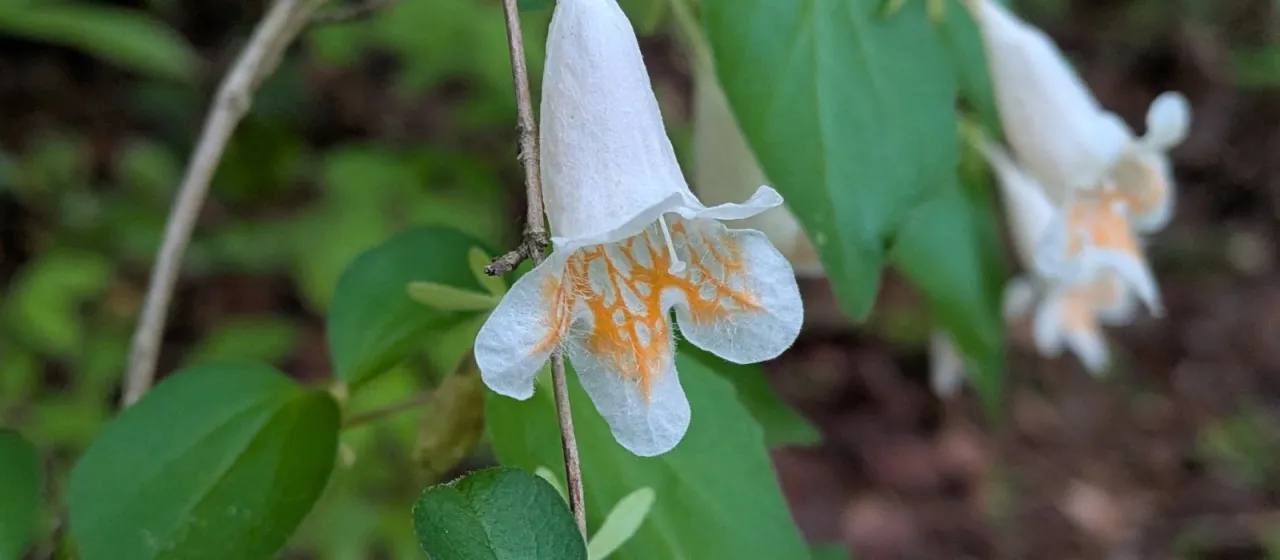
Description
Linnaea spathulata is a perennial shrub belonging to the Caprifoliaceae family. While not a commercial staple crop, it is highly regarded in horticulture and botanical circles for its unique aesthetic value and adaptability in specific garden environments, making it a specialty plant for enthusiasts.
The species originates from East Asia, primarily found in the mountainous regions of Japan. It thrives in cool, moist forest environments, serving as a classic example of a shade-tolerant shrub that has evolved to flourish in the nutrient-rich, humus-covered soil typical of woodland understories.
Botanically, it is distinguished by its specific spatulate leaves and delicate, bell-shaped flowers. The plant exhibits a slow-growing, low-lying growth habit, which makes it an excellent candidate for alpine gardens, rockeries, or shaded border plantings where vertical space is limited.
Cultivation requires careful attention to environmental mimicry. The plant demands acidic or neutral, well-draining soil that remains consistently moist. It is sensitive to excessive heat and direct sunlight, thus requiring a location with dappled shade. Maintaining high atmospheric humidity is also beneficial for optimal development.
Garden maintenance involves routine mulching to suppress weeds and retain soil moisture, alongside monitoring for pests. While generally resilient, the species may occasionally be affected by spider mites or fungal pathogens if the plants are situated in areas with poor air circulation or extreme moisture stress. Proper spacing and seasonal inspections are essential for plant health.