
Description
Linostoma pauciflorum is a perennial woody plant belonging to the Thymelaeaceae family. As a specialized tropical species, it exhibits distinct morphological adaptations that allow it to thrive within the dense, humid understory of evergreen forests in its native environments.
The plant is native to the tropical regions of Southeast Asia, including parts of India and Malaysia. Its natural habitat is characterized by high rainfall patterns, high humidity levels, and stable year-round temperatures. Cultivation outside these regions is typically restricted to controlled environments like greenhouses where microclimates can be strictly managed.
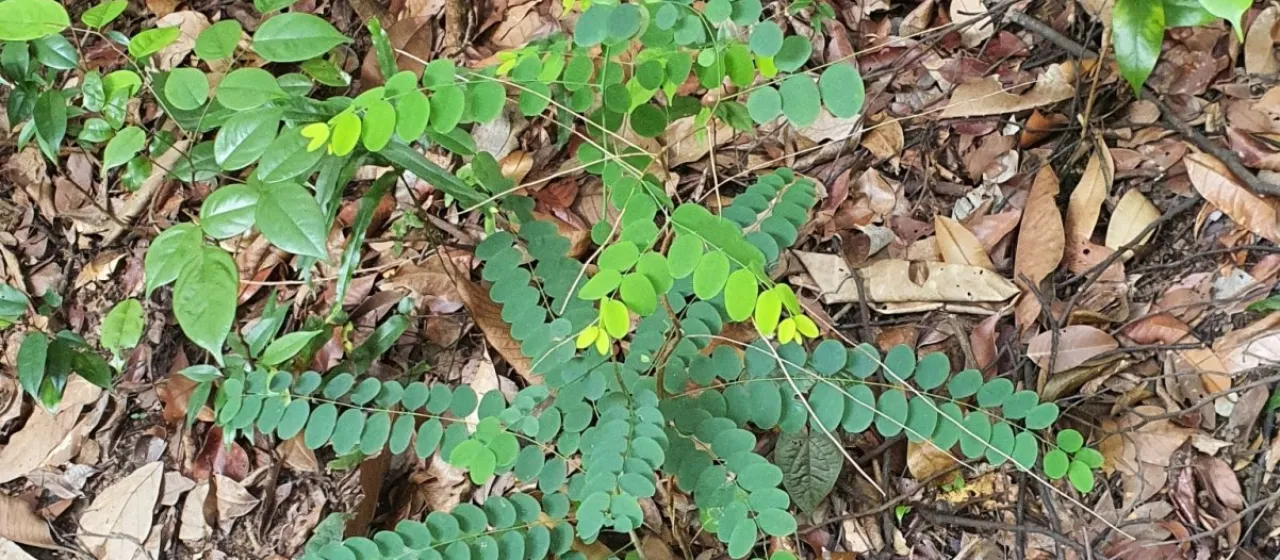
Botanically, this species is defined by its coriaceous (leathery) leaves and limited-flowered inflorescences, which give the plant its specific name. The growth habit is typically that of a shrub or a small tree. Its reproductive biology is adapted to tropical pollinators, and it produces small capsule-like fruits containing seeds that require specific moisture conditions for germination.
Successful cultivation of Linostoma pauciflorum requires well-drained, nutrient-rich, acidic to neutral soils. Agronomic practices must prioritize maintaining high atmospheric humidity and protecting the plant from direct, harsh solar radiation. Adequate air circulation is crucial to prevent the accumulation of moisture on the foliage, which can lead to rapid fungal proliferation.
The economic and practical utility of this culture centers on its potential in traditional medicine and botanical research. Potential pests include common tropical insects such as scale insects and mites. Growers should implement integrated pest management strategies to ensure plant health, focusing on biological controls and proper sanitation to avoid the need for heavy chemical applications.